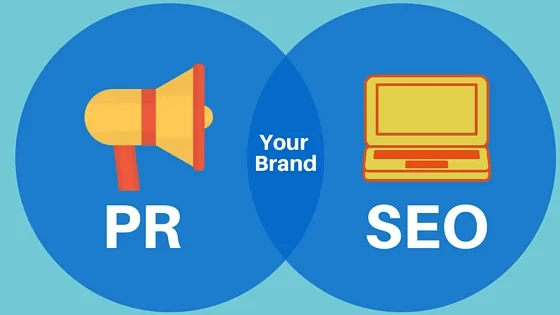

What is public relations? Public relations (PR) is a strategic communication process that builds mutually beneficial relationships between organizations and their publics, the definition the Public Relations Society of America (PRSA) has used since 2012, according to PRSA. In practice, PR manages how customers, journalists, employees, investors, and communities see an organization. PR stands for public relations, and it works beside marketing and advertising, not in place of them.
Last updated October 21, 2026.
Trust is the asset PR manages. The 2026 Edelman Trust Barometer, a survey of nearly 34,000 people in 28 countries, found that 64% of the general population trusts business and 53% trusts government, while 78% of employees trust their own employer. A company that stays silent lets reviewers, journalists, and AI search tools describe it instead. Brands that want a program built for them can start with 5W's corporate communications, crisis PR, or digital PR teams.
On this page:
- What Does PR Mean?
- How Has the Definition of PR Changed?
- What Does a PR Firm Do?
- How Big Is the PR Industry?
- How Does Public Relations Work?
- What Are the 5 W's of Public Relations?
- How Does Persuasion Work in PR?
- Why Does Public Relations Matter?
- How Does PR Differ From Marketing and Advertising?
- What Are the Types of PR?
- What Does Negative PR Cost a Company?
- What Is a PR Plan Versus a PR Campaign?
- How Should Earned, Paid, and Owned Media Divide the Work?
- How Does Earned Coverage Support AI Citation?
- What Is the PR Flywheel?
- What Is a PR Voice?
- How Should Teams Measure PR Results?
- What Are the Most Common Questions About PR?
- Where Should You Read Next?
- Conclusion: What Should a Company Do First?
What Does PR Mean?
PR stands for public relations. In business, PR means managing communication and relationships between an organization and the groups that affect its reputation.
A product launch shows the idea. PR briefs the journalists, prepares the spokesperson, and answers customer questions, so people understand what the company sells and why it matters.
What Is the Official Definition of Public Relations?
The Public Relations Society of America defines public relations as “a strategic communication process that builds mutually beneficial relationships between organizations and their publics.”
“Publics” means the groups connected to an organization: employees, customers, investors, and communities. The definition makes PR a two-way job, because PR listens to those groups as well as speaking to them. PRSA's definition page adds that PR also covers counseling management on policy decisions and their public effects, including crisis communications, protecting an organization's reputation, investor relations, and media relations.
What Skills Does Public Relations Combine?
Ronn Torossian, founder and chairman of 5W Public Relations, describes public relations as a mix of three skills: journalism, psychology, and lawyering.
“PR is a mix of journalism, psychology, and lawyering.”
Ronn Torossian, founder and chairman of 5W Public Relations
In practice, journalism is writing and pitching stories an editor will run. Psychology is understanding what each audience believes and wants. Lawyering is checking claims, managing risk, and knowing what a company can safely say in public.
How Has the Definition of PR Changed?
The definition of public relations has moved from one-way publicity toward two-way relationship building. PRSA notes that the earliest definitions emphasized press agentry and publicity, while modern ones emphasize engagement and relationships.
| Year | PRSA definition | What changed |
|---|---|---|
| 1982 | “Public relations helps an organization and its publics adapt mutually to each other.” | Framed PR as mutual adjustment between an organization and its audiences |
| 2012 | “Public relations is a strategic communication process that builds mutually beneficial relationships between organizations and their publics.” | Chosen in a public vote of 1,447 ballots; “process” replaced “management function” to avoid suggesting top-down control, according to the PRSA announcement |
5W's guide to the father of modern public relations covers how the field began.
What Does a PR Firm Do?
A PR firm is an outside agency a company hires to earn and protect its public reputation. The firm writes messaging, pitches stories to journalists, prepares executives for interviews, runs thought-leadership and social programs, and manages crisis response. Typical services include:
- Media relations and press-material development
- Executive visibility and byline programs
- Product-launch communications
- Awards and speaking submissions
- Influencer and creator partnerships
- Crisis and issues management
- AI-search visibility work that shapes how generative engines describe a brand
This work follows a documented communications plan, and a media kit is one of the standing assets behind it. PRSA also publishes a code of ethics that many agency and in-house practitioners follow. To see what this work produces, browse 5W's PR case studies.
How Big Is the PR Industry?
The PR industry includes agencies, independent consultants, and in-house teams serving businesses, nonprofits, government bodies, and individuals. The U.S. Bureau of Labor Statistics counted about 315,900 public relations specialists in 2024, reported a median wage of $69,780 in May 2024, and projects 5% job growth from 2024 to 2034, according to its Occupational Outlook Handbook.
A PR agency serves outside clients, while an in-house team works inside one organization. An agency adds existing media relationships, experience across companies in the same category, and extra capacity around a launch or an issue. Both research audience concerns, develop messages, prepare spokespeople, and evaluate results.
How Does Public Relations Work?
Public relations works as a five-step cycle that PR teams run alongside marketing, communications, and advertising teams:
- Research the audience with market data, so the campaign matches public sentiment and industry developments.
- Write the core message and supporting facts that every channel will reuse.
- Prepare spokespeople to answer hard questions before a journalist calls.
- Place the story through press releases, pitches, social content, and events.
- Measure coverage and audience response against the goal set at the start.
PR also manages internal relations and crisis communications, which keeps messaging consistent across every channel. Many people first meet PR through pop culture, such as the fictional agency in Mad Men. The real practice is broader, and PR agencies cover media relations, crisis management, executive positioning, and reputation strategy.
What Are the 5 W's of Public Relations?
The 5 W's of PR are what, who, why, when, and where, five questions a team answers before it launches a campaign. Borrowed from journalism, they keep a plan tied to one goal and one audience.
| Question | What the team decides | Test |
|---|---|---|
| What | The campaign and its purpose | The answer matters to the audience, not only the company |
| Who | The audience and the people who own the conversation with it | The plan allows two-way communication with customers |
| Why | The reason anyone should care and what they gain | A reader can state the benefit in one sentence |
| When | The timing, including steady updates such as new hires, product news, and announcements | PR continues after the launch instead of stopping at it |
| Where | The channels, including earned news that outlets can pick up without a paid placement | The audience already uses the channels chosen |
How Does Persuasion Work in PR?
Persuasion in PR works through principles of influence that psychologist Robert Cialdini described in his book Influence, and five of them apply directly to PR: liking, authority, social proof, consistency, and scarcity. Used honestly, they help a message earn a hearing without pressure.
| Principle | How it shows up in PR |
|---|---|
| Liking | Journalists and partners respond to people who have been useful sources before and share common interests, so listening builds the trust a pitch depends on |
| Authority | Credentials, years of experience, and a record of results make an endorsement more credible |
| Social proof | Independent coverage, client results, and third-party endorsements carry more weight than a company's own claims |
| Consistency | A steady, repeated presence in front of the same audience works better than flooding an inbox |
| Scarcity | Exclusive access, such as an early look at a story or a limited launch, is easier to market to a select group |
Persuasion lasts only when it is honest. The goal is a relationship that brings audiences back, not a single sale.
Why Does Public Relations Matter?
Public relations matters because trust decides whether people listen to a company, select its products, and stay loyal. In the Edelman data above, employees trust their own employer 14 points more than the public trusts business, so each group needs its own message and its own proof.
| Business goal | What PR does | What to check |
|---|---|---|
| Credibility | Publishes explanations that show expertise and survive scrutiny, such as a trade-journal article that teaches readers something | The piece offers more than product promotion, and customer reviews stay separate from company claims |
| Leads and sales | Connects each message to an audience need and names the next action a reader can take | Coverage is compared with leads and conversions, because attention alone is not evidence of a sale |
| Brand image | Matches the message to what customers experience and gives them somewhere to raise a problem | A person who sees the message finds a working contact page |
| Perception | Corrects false or missing information with named sources and independent coverage | The first page of results for the company name matches the story told |
| Online presence | Finds the channels and influencers that reach the audience and stays ready to respond to threats | The audience already uses the channels chosen |
| Social values | Communicates what the company stands for on workforce, sustainability, and community | Every public claim matches company practice |
Earned coverage reads differently from an ad, because an editor decides what runs and readers know the company did not pay for the placement. Measure the return with this guide to PR measurement.
How Does PR Differ From Marketing and Advertising?
PR earns understanding and trust through relationships and coverage, while marketing and advertising promote products directly to drive sales. The disciplines work together: PR builds credibility and advertising amplifies key messages.
| Discipline | Main goal | How it reaches people | Who controls the message |
|---|---|---|---|
| PR | Earn understanding, trust, and reputation | Media relations, executive visibility, events, crisis response | The company writes the pitch, and editors decide what runs |
| Marketing | Create demand for products | Campaigns across owned, earned, and paid channels | The company |
| Advertising | Promote specific messages | Paid placements | The company, which pays for placement and controls the wording |
| Sales | Close individual deals | Direct conversations with buyers | The seller and the buyer |
Crisis management is the clearest dividing line. PR prepares and guides a company through events that threaten its reputation, work that marketing and advertising teams do not usually handle. Advertising is controlled media, because the company pays for placement and writes every word, while PR is earned media, because the recipient decides what to do with the information. For a deeper comparison, read PR vs marketing vs advertising.
What Are the Types of PR?
PR has 12 common specialties, each aimed at a different audience and goal.
| Type of PR | Main audience | What it does |
|---|---|---|
| Corporate PR | Investors, employees, the public | Manages the company's reputation, values, mission, and corporate practices |
| Product PR | Potential customers | Builds interest in products through launches, reviews, and demonstrations |
| Crisis management PR | Everyone affected by an incident | Addresses events that threaten reputation, to limit damage and keep trust |
| Employee and internal relations | Employees | Keeps staff informed and engaged |
| Consumer PR | The public or a consumer segment | Builds favorable brand perception through media coverage and social media |
| Financial PR | Investors and analysts | Communicates results and major events to keep investor confidence |
| Public affairs | Government and policymakers | Influences public policy and builds government relations |
| Community relations | The local community | Builds goodwill through event sponsorship, charity initiatives, and local involvement |
| Media relations | Journalists | Builds press relationships, arranges interviews, and pitches stories, supported by a media kit |
| Social media PR | Audiences on social platforms | Communicates directly with the public and monitors the organization's online presence |
| Digital PR | Readers, search engines, AI engines | Runs earned media, SEO, and AI-search visibility as one program, earning backlinks and citations |
| Tech PR | Technology buyers, press, investors | Promotes innovations, manages launches, and handles communication about technical issues |
Press relations is the part of PR that works with journalists and news outlets: pitching stories, answering inquiries, arranging interviews, and supplying accurate background. PR has a wider scope that includes employees, customers, investors, and communities. For crisis work, read 5W's guide to crisis PR.
What Does Negative PR Cost a Company?
Negative PR costs a company customer trust and shareholder value when a crisis, scandal, or public criticism spreads. 5W's Crisis Tax research tracked nine major corporate crises from 2010 to 2024 and found $266 billion in excess market capitalization losses tied to poor crisis communications. Companies that responded quickly and transparently recovered in about 60 days on average, while slow or defensive companies took six months to seven years, and some never recovered.
Prepare before a crisis starts:
- Monitor social media and news outlets for early issues, using AI media intelligence tools.
- Train spokespeople to communicate under pressure.
- Build media relationships before problems arise.
- Form a rapid response team and run regular reputation audits.
- Keep corporate social responsibility work consistent, because the goodwill it builds buffers a crisis.
When negative publicity hits, respond quickly, acknowledge legitimate concerns, take responsibility where it applies, and show concrete actions that address the cause. Follow the key principles of crisis management and study reputation recovery examples.
What Is a PR Plan Versus a PR Campaign?
A PR plan is the long-term, ongoing document that holds an organization's PR strategy, and a PR campaign is a set of activities with a fixed time frame that serves one goal in the plan. One plan can contain several campaigns that promote the same message.
| Element | PR plan | PR campaign |
|---|---|---|
| Time frame | Long term and ongoing | Fixed, from one day to several years |
| Contents | Strengths, weaknesses, opportunities, threats, objectives, and a communications strategy built on client, industry, and audience facts | The activities and the media and social outlets that carry them |
| Audience | Defined for the whole program | Chosen per campaign: investors, journalists, or a consumer segment |
| Measurement | States what each campaign should deliver | Sets the metrics that show whether the goal was met |
5W's guide to building a communications plan covers the full process.
How Should Earned, Paid, and Owned Media Divide the Work?
Earned media gives outside exposure, paid media gives planned distribution, and owned media gives the company's direct explanation and contact information. The table is a planning framework, not a claim that one type always outperforms another.
| Media type | Practical role | Examples | Trade-off |
|---|---|---|---|
| Earned | Builds visibility through outside coverage | Editorial coverage, trade-journal features, independent customer commentary | Gives an outside view, but the company does not control the message or the timing |
| Paid | Places a message before a selected audience | Ads that reinforce coverage or point readers to a byline article | Gives planned placement and control, but costs money and stays promotional |
| Owned | Holds the company's explanation and a destination for interested audiences | Website, press releases, contact page, company social content | Allows direct communication, but the company wrote it, so it is not an independent endorsement |
Earned coverage does not require paying for the editorial placement, but it still takes time and budget for messages, content, and relationships. Compare what each article, event, press release, or speaking slot costs with what it returns, and do not select an activity only because its distribution looks cheap. The PESO model guide explains where shared media fits.
Before launch, PR and marketing should agree on four things: shared goals, audience overlap, one messaging foundation with core points, supporting facts, tone, and intended action, and one calendar that links PR activity to paid distribution. Verify facts before distribution, and revise the calendar when publication timing shifts. Wording does not need to be identical in every channel.
How Does Earned Coverage Support AI Citation?
Earned coverage supports search visibility by placing company information on relevant outside websites, and clear writing gives AI engines a passage they can quote. Coverage and backlinks are separate: not every placement includes a link, and no placement guarantees a ranking.
Answer the question directly, keep supporting facts next to the claim, and write passages that stay accurate when read alone. The outlet matters as much as the volume. 5W's Who AI Cites Now report found that Wikipedia and Reddit together supply more than a quarter of U.S. ChatGPT citations, while the Wall Street Journal, New York Times, Bloomberg, and Financial Times do not reach the top 20 cited domains. The same report puts earned, third-party media at 85.5% of AI citations. These are findings about where citations come from, not a promise that any AI system will cite a given page.
What Is the PR Flywheel?
The PR flywheel is a growth model for smaller and mid-sized brands in which one newsworthy action earns coverage, and that coverage earns backlinks and traffic that make the next round of coverage easier. A startup gets more from this compounding loop than from isolated mentions, because it lacks the recognition that makes small mentions pay off for large, established brands.
The loop runs in four steps:
- The company takes a noteworthy action separate from its core product, such as a charitable donation, a sponsorship, or a genuinely new kind of offering.
- Press coverage of that action links back to the company's website, which helps search engines treat the site as an authoritative source.
- Backlinks and visitors build the site's authority, and trust and familiarity with the brand grow.
- That authority makes other reputable outlets more willing to cover the company, and each cycle makes the next one easier to start.
5W's digital PR practice runs this loop as one program across earned media, SEO, and AI search.
What Is a PR Voice?
A PR voice is the personality and style a company uses every time it communicates with the public, from word choice and phrasing to tone. Applied consistently across social posts, newsletters, and press releases, it helps audiences recognize the brand faster and builds awareness. Most companies focus on the visual side of branding and overlook voice, even though voice is now one of the best ways to stand out from competitors.
A team develops a PR voice in four steps:
- Start with the mission statement, because the company's values should already be reflected there.
- Audit current content, including the website, blog, social posts, and ads, to find common themes in tone.
- Study the audience: its interests, how it communicates, and the publications it reads.
- Write a guide that lists the words and traits that represent the brand, what each trait means, and how to use it, then share it with everyone who writes for the company.
How Should Teams Measure PR Results?
Teams should judge PR and media activity against shared campaign goals and keep the measures that explain each channel's contribution. Placements and share of voice describe coverage, while reach, engagement, and conversions describe distribution and audience response.
Quick definition: share of voice
Share of voice is the percentage of total media coverage, search visibility, or conversation in a category that belongs to one brand compared with its named competitors. Use it as a coverage metric, not a sales metric.
Read the measures together and never treat them as equivalents. More placements do not prove stronger relationships, and more reach does not prove more sales. When the data shows attention without the intended response, revisit the audience, message, channel mix, and timing.
How Do PR Teams Monitor Public Opinion?
PR teams monitor public opinion with surveys, focus groups, and social media listening, and they check it before and after a tactic to see what changed. Surveys and focus groups run on both sides of a campaign show which tactic moved the audience and which did not.
Social listening tracks what people say about a brand when it is not promoting anything, and social platforms add cost per impression, per engagement, per click, and per site visit as supporting measures. For the full modern scorecard, see this guide to PR measurement.
What Are the Most Common Questions About PR?
What does PR stand for?
PR stands for public relations, the practice of managing communication between an organization and its audiences to build trust and shape reputation.
What is the definition of public relations?
PRSA defines public relations as a strategic communication process that builds mutually beneficial relationships between organizations and their publics.
Who said PR is a mix of journalism, psychology, and lawyering?
Ronn Torossian, founder and chairman of 5W Public Relations, said it.
What are the 5 W's of PR?
The 5 W's of PR are what, who, why, when, and where: the campaign and its purpose, the audience, the reason to care, the timing, and the channels.
What is the PR flywheel?
The PR flywheel is a compounding growth model in which a newsworthy action earns coverage and backlinks, and the added authority makes the next round of coverage easier to win.
What is a PR voice?
A PR voice is the consistent personality and style a company uses when it communicates with the public across every channel.
Does cost-effective PR mean free PR?
No. An earned placement is not paid advertising, but preparing messages, developing content, and maintaining relationships still take time and budget.
Should every channel use identical copy?
No. Keep the core facts, tone, and intended action consistent, and adapt the presentation to each channel.
Can coverage alone demonstrate sales impact?
No. Coverage documents publicity. Assess leads and conversions alongside it before drawing conclusions about commercial results.
How many people work in PR in the United States?
The U.S. Bureau of Labor Statistics counted about 315,900 public relations specialists in 2024.
What is the difference between PR and press relations?
Press relations is the part of PR that works with journalists and news outlets. PR also covers communication with employees, customers, investors, and communities.
Where Should You Read Next?
These guides go deeper on the history, comparison, and craft of public relations:
- Who is the father of modern public relations, on Edward Bernays and how the field began
- How public relations evolved since 1906, from Ivy Lee's principles to the PRSA definition and AI search
- PR vs marketing vs advertising, for how the three disciplines split the work
- Media relations, for how PR works with journalists
- The importance of networking in public relations
Conclusion: What Should a Company Do First?
Start with the audience that most affects the company's reputation, write one message that audience can verify, and measure results against a goal set before launch.
5W's corporate communications, crisis communications, and digital PR practices build and run these programs for brands across consumer, B2B, financial services, healthcare, and technology. See the results from past campaigns, or contact the team to talk through your goals.