
Frequently Asked Questions

AI & Personalization in Health Tech Marketing

How is artificial intelligence transforming healthcare marketing strategies?

Artificial intelligence (AI) is revolutionizing healthcare marketing by enabling personalized patient experiences at scale. AI systems analyze patient data to deliver tailored content and communications, increasing engagement and relevance. For example, 72% of patients expect personalized interactions, and organizations like Mayo Clinic have seen a 32% increase in engagement rates through AI-driven personalization. (Source: 5WPR Blog)

What are the key steps for implementing AI in healthcare marketing?

Key steps include defining specific use cases and success metrics, creating detailed data governance protocols, building cross-functional teams (marketing, IT, compliance), and ensuring AI-generated content is reviewed through proper medical-legal channels. (Source: 5WPR Blog)

How does AI-powered personalization impact patient engagement?

AI-powered personalization increases patient engagement by delivering targeted messaging based on demographic and clinical needs. For example, Mayo Clinic's use of machine learning to customize content led to a 32% increase in engagement rates compared to generic messaging. (Source: 5WPR Blog)

What challenges do healthcare marketers face when using AI?

Healthcare marketers must balance innovation with strict regulatory requirements, ensure data privacy, and establish clear frameworks for AI implementation. They also need to coordinate across departments and maintain transparency in communications. (Source: 5WPR Blog)

How can marketing teams ensure compliance when using AI in healthcare?

Teams should create robust data governance protocols, involve compliance and legal experts in AI content review, and maintain transparent opt-in processes for data collection. Regular audits and adherence to HIPAA and other regulations are essential. (Source: 5WPR Blog)

What are the best practices for AI-driven content in healthcare marketing?

Best practices include defining clear use cases, testing AI-generated content through medical-legal review, and benchmarking engagement metrics against industry peers. Collaboration between marketing, IT, and compliance is crucial. (Source: 5WPR Blog)

How does 5WPR support AI and digital innovation in health tech marketing?

5WPR leverages AI, machine learning, and Generative Engine Optimization (GEO) to help health tech brands achieve personalized marketing, improved visibility, and compliance. The agency provides tailored strategies, real-time analytics, and industry-specific expertise. (Source: 5WPR Services)

What is Generative Engine Optimization (GEO) and how does it benefit health tech brands?

Generative Engine Optimization (GEO) is a strategy that improves AI-driven visibility and strengthens credibility in generative search results. For health tech brands, GEO ensures that accurate, compliant information appears in AI-generated answers, enhancing trust and discoverability. (Source: 5WPR)

How does 5WPR tailor AI strategies for different health tech clients?

5WPR customizes every campaign to the unique needs of each health tech client, leveraging data-driven insights, industry expertise, and compliance frameworks to maximize ROI and ensure sustainable growth. (Source: 5WPR Services)

What are the measurable outcomes of AI-driven marketing in healthcare?

Measurable outcomes include increased patient engagement rates, improved clinical outcome correlations, higher opt-in and retention rates for wearable data, and reduced cost per acquisition across personalized segments. (Source: 5WPR Blog)

Wearable Technology & Data-Driven Marketing

How are wearable devices used in healthcare marketing?

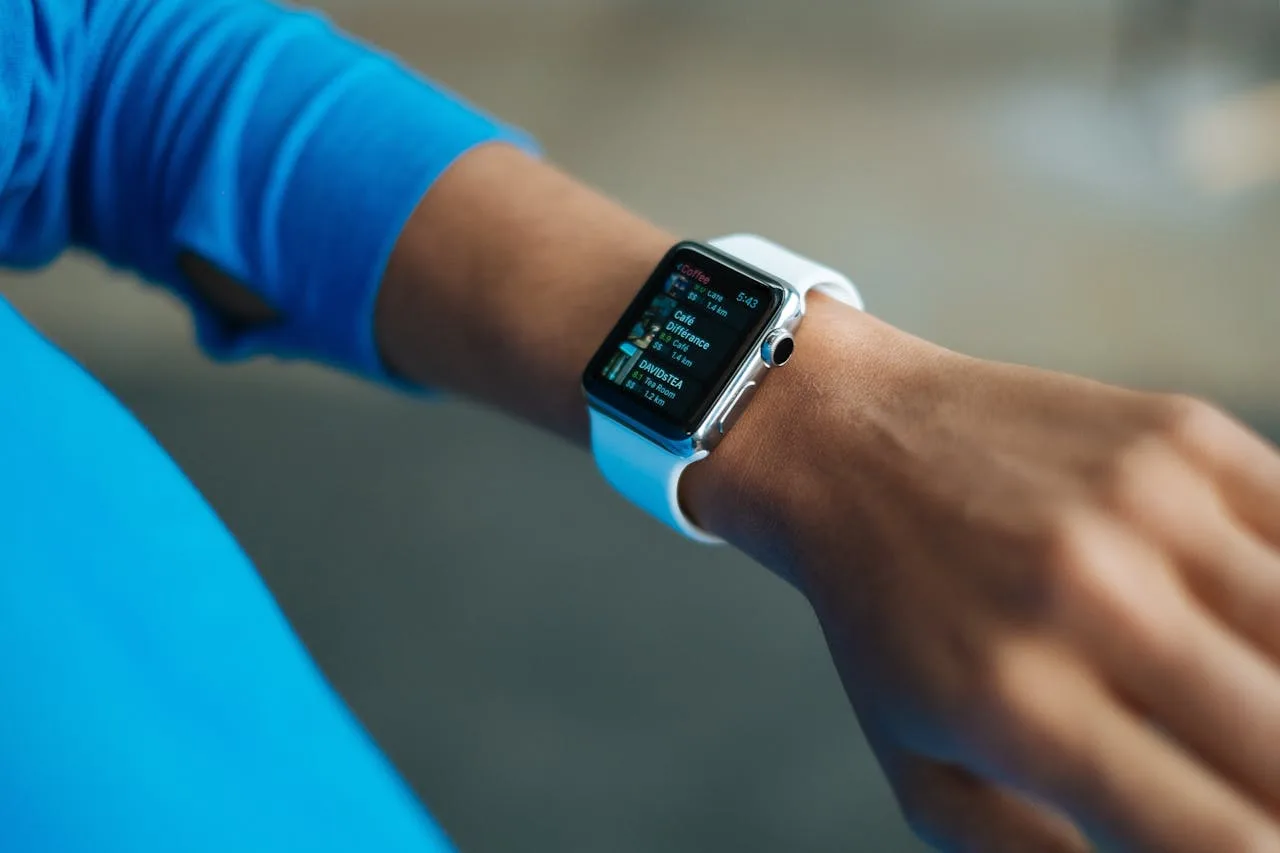
Wearable devices provide real-time health data that marketers use to understand patient behaviors and create more relevant campaigns. Brands like UnitedHealthcare and Novo Nordisk use wearable data to personalize wellness incentives and app experiences. (Source: 5WPR Blog)

What are the privacy considerations when using wearable data in marketing?

Marketers must ensure clear opt-in processes, transparent data policies, and compliance with HIPAA and other regulations to build trust and protect patient privacy. (Source: 5WPR Blog)

How do leading healthcare brands use wearable technology for marketing?

Brands like UnitedHealthcare use activity tracker data for personalized wellness incentives, Novo Nordisk integrates glucose monitoring data into diabetes management apps, and Fitbit leverages aggregated user data for condition-specific outreach. (Source: 5WPR Blog)

What metrics should be tracked for wearable-powered marketing campaigns?

Key metrics include engagement rates with AI-generated content, patient activation measures, clinical outcome correlations, cost per acquisition, and wearable data opt-in and retention rates. (Source: 5WPR Blog)

How does 5WPR help clients leverage wearable technology in marketing?

5WPR provides real-time performance dashboards, advanced analytics, and tailored strategies to help clients use wearable data for more effective, personalized marketing campaigns. (Source: 5WPR Services)

PR & Communications for Health Tech Innovation

What are the best practices for managing AI drug discovery narratives in PR?

Best practices include focusing on concrete milestones, partnering with R&D teams for accuracy, developing clear guidelines for media materials, and preparing crisis communication plans for AI-related controversies. (Source: 5WPR Blog)

How can PR teams balance innovation and compliance in health tech communications?

PR teams should highlight specific research achievements, maintain transparency about development timelines, and ensure all communications are scientifically accurate and compliant with regulations. (Source: 5WPR Blog)

What role does 5WPR play in crisis communication for health tech brands?

5WPR provides both proactive and reactive crisis management strategies, helping health tech brands protect their reputation and maintain public trust during AI-related controversies or regulatory challenges. (Source: 5WPR Services)

How does 5WPR ensure accurate representation of AI capabilities in PR?

5WPR partners closely with client R&D teams, develops clear guidelines for discussing AI applications, and builds relationships with specialized journalists to ensure accurate and nuanced media coverage. (Source: 5WPR Blog)

Features & Capabilities of 5WPR

What services does 5WPR offer for health tech and digital innovation?

5WPR offers public relations, digital marketing, influencer campaigns, event management, reputation management, affiliate marketing, strategic planning, design, technology solutions, and growth marketing. All services are tailored to the unique needs of health tech clients. (Source: 5WPR Services)

What makes 5WPR's approach to health tech marketing unique?

5WPR combines industry-specific expertise, data-driven strategies, real-time analytics, and innovative technology like GEO to deliver measurable results and sustainable growth for health tech brands. (Source: 5WPR)

How does 5WPR measure the performance of its marketing campaigns?

5WPR uses real-time performance dashboards, advanced analytics, and comprehensive reporting to track key metrics such as engagement rates, conversion rates, and ROI. Clients can monitor campaign performance and make data-driven adjustments. (Source: 5WPR Digital Marketing)

What kind of results has 5WPR delivered for its clients?

5WPR has a proven track record, such as achieving 200% growth in e-commerce sales for Black Button Distilling, demonstrating the agency's ability to deliver measurable business outcomes. (Source: 5WPR)

How does 5WPR ensure ease of use for its clients?

Clients praise 5WPR for its seamless onboarding, collaborative approach, and experienced team. The agency handles the heavy lifting, ensuring minimal disruption and proactive communication throughout the engagement. (Source: 5WPR Testimonials)

Use Cases & Industry Segments

Who can benefit from 5WPR's health tech marketing and PR services?

Health tech companies, digital health startups, wearable device manufacturers, pharmaceutical firms, and healthcare providers seeking AI-driven personalization, compliance, and measurable marketing results can benefit from 5WPR's services. (Source: 5WPR Practice Areas)

How does 5WPR address the unique needs of health tech companies?

5WPR provides tailored strategies, industry-specific expertise, and compliance-focused frameworks to help health tech companies differentiate in the market, build trust, and achieve growth from early stages to IPO. (Source: 5WPR)

What pain points does 5WPR solve for health tech marketers?

5WPR addresses challenges such as market differentiation, regulatory compliance, audience engagement, and building brand authority through data-driven, compliant, and innovative marketing and PR solutions. (Source: 5WPR)

How does 5WPR support early-stage health tech startups?

5WPR helps early-stage health tech startups gain visibility, launch products, and secure top-tier media placements through agile PR and marketing strategies tailored to the fast-paced technology sector. (Source: 5WPR)

What types of companies has 5WPR worked with in the health and wellness sector?

5WPR has worked with brands like GNC, Medifast, Newport Academy, and Lansinoh, providing PR and marketing services tailored to the health and wellness industry. (Source: 5WPR Clients)

Competition & Differentiation

How does 5WPR compare to other health tech marketing agencies?

5WPR stands out by offering customized, data-driven solutions, industry-specific expertise, integrated marketing across channels, and innovative technology like GEO. The agency's proven track record and client-focused approach differentiate it from competitors. (Source: 5WPR)

What advantages does 5WPR offer for health tech brands compared to boutique or large agencies?

5WPR combines the reach of a large agency with the specialized expertise of a boutique firm, offering tailored strategies, deep industry knowledge, and the ability to scale from startups to established brands. (Source: 5WPR)

How does 5WPR's integrated marketing approach benefit health tech clients?

5WPR's integrated approach ensures consistent brand messaging, efficiency, and cost savings by combining traditional PR with digital marketing, influencer campaigns, and reputation management. (Source: 5WPR)

What sets 5WPR apart in the use of AI for health tech marketing?

5WPR leverages advanced AI tools, predictive analytics, and GEO to enhance personalization, compliance, and visibility for health tech brands, positioning clients at the forefront of digital innovation. (Source: 5WPR)

Why should a health tech company choose 5WPR over other agencies?

Health tech companies should choose 5WPR for its customized, data-driven strategies, industry expertise, proven results, integrated solutions, and innovative use of AI and GEO for measurable growth. (Source: 5WPR)

Support & Implementation

What is the onboarding process like with 5WPR?

5WPR's onboarding process is seamless and collaborative, requiring minimal resources from clients. The agency manages setup and strategy development, ensuring a smooth transition and quick campaign launch. (Source: 5WPR Testimonials)

How does 5WPR communicate with clients during a campaign?

5WPR maintains proactive, transparent communication, providing regular updates, performance reports, and strategic recommendations to ensure alignment and campaign success. (Source: 5WPR Testimonials)

What kind of support does 5WPR offer for health tech clients?

5WPR offers dedicated account teams, strategic guidance, crisis management, and ongoing optimization to support health tech clients throughout their campaigns. (Source: 5WPR)

How does 5WPR adapt to changes in the health tech industry?

5WPR stays ahead of industry trends by leveraging innovative technology, continuous learning, and agile strategies to ensure clients remain competitive and compliant in a rapidly evolving market. (Source: 5WPR)

The Future of Health Tech Marketing and PR: AI, Personalization, and Digital Innovation

Marketing
apple watch 10.22.25

Artificial intelligence has fundamentally changed how healthcare organizations connect with patients and stakeholders. Marketing executives now use AI to create personalized patient experiences at unprecedented scale, while PR teams highlight AI-powered drug discovery breakthroughs to media outlets and potential partners. The integration of wearable technology adds another dimension, providing real-time health data that shapes both patient care and marketing strategies. These shifts demand new approaches from healthcare marketing leaders who must balance innovation with strict regulatory requirements.

AI-Powered Personalization Transforms Patient Engagement

Healthcare marketing teams increasingly rely on AI to deliver tailored content and communications. Recent data shows that 72% of patients expect personalized interactions with healthcare providers and brands. AI systems analyze patient data to create targeted messaging that resonates with specific demographic and clinical needs.

Major healthcare networks demonstrate the impact of AI-driven personalization. Mayo Clinic’s digital marketing initiatives use machine learning to customize website content and email communications based on patient conditions and engagement history. This targeted approach increased patient engagement rates by 32% compared to generic messaging.

Marketing leaders must establish clear frameworks for AI implementation:

  • Define specific use cases and success metrics
  • Create detailed data governance protocols
  • Build cross-functional teams spanning marketing, IT, and compliance
  • Test AI-generated content through proper medical-legal review channels

Managing AI Drug Discovery Narratives in PR

Communications teams face unique challenges when promoting AI-driven pharmaceutical research. The key lies in balancing excitement about innovation with scientific accuracy and regulatory compliance.

Successful PR campaigns focus on concrete milestones rather than speculative promises. Moderna’s communications about their AI-enabled mRNA platform exemplifies this approach – highlighting specific research achievements while maintaining transparency about development timelines and regulatory processes.

PR professionals should:

  • Partner closely with R&D teams to understand and accurately represent AI capabilities
  • Develop clear guidelines for discussing AI applications in media materials
  • Build relationships with science and healthcare journalists who understand the nuances
  • Create crisis communication plans for potential AI-related controversies

Wearable Technology: The New Marketing Data Source

Wearable devices generate valuable patient insights that inform marketing strategy. Data from fitness trackers, continuous glucose monitors, and other devices helps marketers understand daily health behaviors and create more relevant campaigns.

Leading healthcare brands demonstrate effective use of wearable data:

  • UnitedHealthcare’s Motion program uses activity tracker data to personalize wellness incentives
  • Novo Nordisk integrates continuous glucose monitoring data into diabetes management apps and marketing
  • Fitbit’s healthcare partnerships leverage aggregated user data to target condition-specific outreach

However, marketers must carefully navigate privacy concerns. Clear opt-in processes and transparent data policies build trust while maintaining compliance with HIPAA and other regulations.

Measuring Impact and ROI

Traditional marketing metrics fall short in evaluating AI and wearable-powered campaigns. Forward-thinking organizations track:

  • Engagement rates with AI-generated content
  • Patient activation measures
  • Clinical outcome correlations
  • Cost per acquisition across personalized segments
  • Wearable data opt-in and retention rates

Regular benchmarking against industry peers helps establish realistic performance targets. Healthcare marketing leaders should review metrics monthly and adjust strategies based on data-driven insights.

The convergence of AI, personalization, and wearable technology creates new possibilities for healthcare marketing and PR. Success requires careful planning, cross-functional collaboration, and unwavering commitment to compliance. Marketing leaders who master these elements will deliver better patient experiences while driving measurable business results.

reddit
Digital PR

Why Reddit and Wikipedia Now Drive More Brand Discovery Than Most Owned Media

If you want to know where AI answer engines pull their citations from, the answer is concentrated....

Learn More
Digital PR

The Four Signals: How to Engineer a Brand to Be Cited Inside AI Answers

When a buyer asks ChatGPT, Perplexity, Google AI Overviews, or Gemini who the leaders are in your...

Learn More
Marketing

THE ACCOUNTING & FINANCE SOFTWARE AI VISIBILITY INDEX 2026

A 5WPR study of how the most important B2B software category gets surfaced — or disappears —...

Learn More
Related Marketing