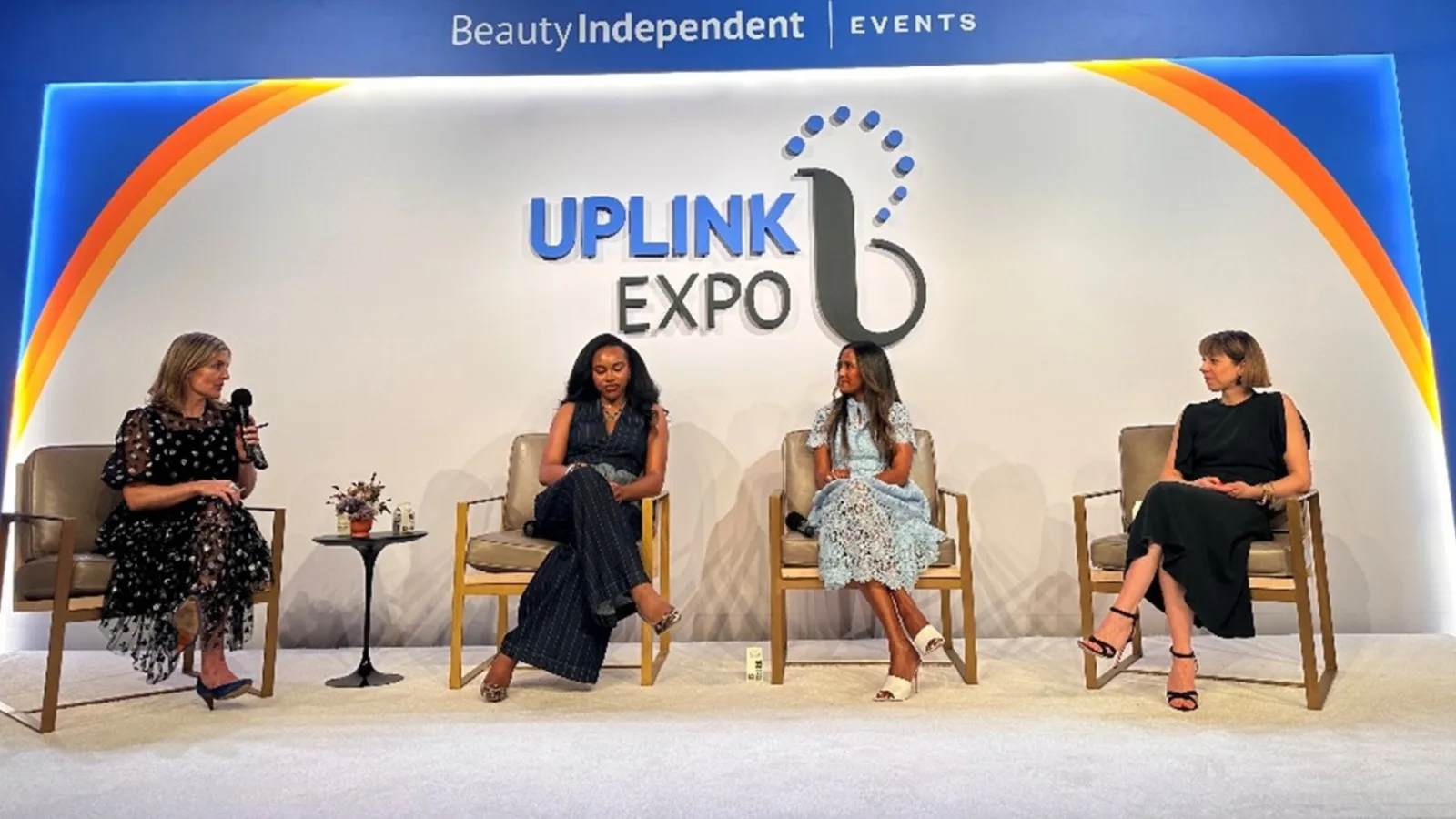
Beauty industry trends worth tracking right now are science-backed skincare, lightweight sun care, reimagined supplements, and minimalist makeup, based on patterns that keep surfacing at beauty trade shows and in retail sales data. Skincare sales rose 5% in mass retail and 1% in prestige through the first nine months of 2025, per Circana, while only 12.3% of men and 29.0% of women always use sunscreen outdoors, according to the CDC. That gap between low sunscreen use and rising skincare spending is exactly where brands are finding room to grow.
Why is science-backed skincare gaining over pure marketing claims?
Science-backed skincare is gaining because consumers increasingly ask for clinical evidence before they believe a product claim. Circana has tracked skincare sales up across both mass and prestige retail through 2025, with masstige brands, those priced between mass and prestige, outpacing both segments as shoppers look for clinical performance without a luxury price tag.
Plant-powered formulas with documented before-and-after results continue to outperform brands relying on ingredient buzzwords alone. As more brands publish clinical backing, transparent communication about which specific products carry that backing becomes as important to loyalty as the science itself.
Why it works: a shopper who can verify a claim before buying converts at a higher rate than one asked to trust marketing copy, and that verification is exactly what AI search tools now surface directly in response to product queries.
Why does lightweight sun care matter more than sunscreen marketing alone?
Lightweight sun care matters because the products people actually use have to fit into a daily routine, and heavy, white-cast formulas get skipped. Only 12.3% of men and 29.0% of women aged 18 and older always use sunscreen outdoors for more than an hour, per the CDC's 2020 National Health Interview Survey, the most recent figure the agency has published on this measure.
That gap is an opportunity, not just a public health problem. Brands building weightless, broad-spectrum formulas that disappear on skin are addressing the actual reason adoption stays low, rather than repeating awareness messaging that hasn't moved the number in years.
| Trend | Evidence | What it signals for brands |
|---|---|---|
| Science-backed skincare | Skincare sales up 5% mass, 1% prestige through Q3 2025 (Circana) | Publish and link clinical backing, not just claim it |
| Lightweight sun care | Only 12.3% of men, 29.0% of women always use sunscreen (CDC) | Formula and education both need work, not just marketing |
| Reimagined supplements | Single-sachet and strip-form vitamins replacing pills and gummies | Format innovation, not just new ingredients, drives trial |
| Minimalist makeup | Clean, cruelty-free lines paired with recyclable, PCR packaging | Sustainability claims need to be as specific as the formula claims |
How are ingestible beauty brands changing the supplement aisle?
Ingestible beauty brands are changing the supplement aisle by replacing pills, gummies, and capsules with formats built for how people actually take supplements. Single-sachet multivitamins and strip-form vitamins that skip common fillers are showing up on trade show floors as suppliers respond to a decade of sustained growth in the ingestible beauty and wellness category.
Several brands are also narrowing formulations toward the specific needs of the female body rather than shipping one generic multivitamin, treating format and targeting as two separate levers instead of one.
What is driving the shift to minimalist makeup?
Minimalist makeup is growing because shoppers are consolidating routines around fewer, more versatile products rather than expanding them. Clean, cruelty-free, vegan ingredient lists are now a baseline expectation, and brands are pairing that with a genuine sustainability story built around recyclable and post-consumer resin (PCR) packaging.
The distinction that matters commercially is specificity: a brand that names its recycled content percentage and packaging supplier earns more trust than one using "eco-friendly" as an unsupported adjective.
How should beauty brands use trade show floors going forward?
Beauty brands should use trade show floors as a recurring data point rather than a single annual event to recap. Suppliers, retailers, and emerging brands cluster at shows like these specifically because the floor surfaces which formats and formulas are gaining real traction before that traction shows up in broader retail data months later.
Tracking the same four categories, clinical skincare, sun care, supplements, and minimalist makeup, across multiple shows in a year gives a brand an earlier read on where to shift product development budget than waiting for year-end retail reports to confirm it.
What should beauty brands do with these four trends?
Beauty brands should audit their own product line and messaging against all four trends before the next trade show cycle, not just after one. A brand with strong clinical data but no beauty PR plan to communicate it is leaving the same growth on the table as a brand with no data at all.
Digital PR and beauty digital marketing turn a clinical study, a packaging supplier detail, or a new format into content that search engines and AI tools can actually surface when a shopper asks about the category.
CONCLUSION
Science-backed skincare, lightweight sun care, reimagined supplements, and minimalist makeup remain the four clearest signals of where beauty product innovation is headed, backed by CDC and Circana data rather than trade show buzz alone.