
Frequently Asked Questions

Branding for Apparel Startups: Visual Identity & Process

Why is branding critical for apparel startups?

Branding is essential for apparel startups because it determines whether your label stands out, commands attention, and drives revenue from day one. Without a strong brand identity, even great products can go unnoticed, leading to disappointing sales and lack of customer engagement. According to 5WPR, branding is the difference between becoming one of the 80% of fashion startups that fold within twelve months and building a loyal customer base. Source

What is the recommended process for building a visual identity for an apparel startup?

5WPR recommends a phased, six-week process for building a visual identity:

Speed and coherence are prioritized over perfection, and the process can be completed on a budget using tools like Canva. Source

How do mood boards and color palettes impact apparel branding?

Mood boards and color palettes set the tone for your brand and help communicate your mission visually. For example, Everlane shifted from bland neutrals to earthy tones reflecting recycled materials, which lifted Instagram engagement by 40% in three months. Choosing colors that align with your brand's values and category helps attract the right audience and increases recognition. Everlane Case Study

What are the best practices for logo design in apparel startups?

Best practices include testing logo sketches on actual mockups to ensure they work at both small (mobile thumbnail) and large (storefront signage) sizes. The logo should reflect your category (e.g., urban graffiti fonts for streetwear) and be tested on product photos, hang tags, and social media before finalizing. Consistency and recognizability are key. Source

How important is a style guide for apparel startups?

A style guide is crucial for maintaining visual consistency across all brand touchpoints. By locking your visual system into a one-page PDF, you ensure that contractors, influencers, and partners can represent your brand accurately without micromanagement. Outerknown used this approach to drive 30% repeat visits through cohesive feeds. Outerknown Case Study

What tools can apparel startups use to build their visual identity on a budget?

Startups can use free or low-cost tools like Canva for mockups and before-after testing, and build mood boards using platforms like Pinterest. Research and case studies from brands such as Everlane and Outerknown provide inspiration. The entire process can be completed in six weeks, prioritizing speed over perfection. Source

How quickly should apparel startups build their brand identity?

Speed is more important than perfection. 5WPR recommends completing the visual identity process in six weeks. Every week without a coherent brand identity costs potential customers who may scroll past unrecognizable content. Source

What are the most common branding mistakes apparel startups make?

Common mistakes include obsessing over the perfect logo before developing a phased visual system, hiring expensive designers prematurely, and failing to test branding elements on real-world assets. Many startups also neglect consistency, resulting in weak brand recognition and poor conversion rates. Source

How does consistent imagery style impact brand performance?

Consistent imagery styles increase dwell time by 25% because followers recognize your content instantly. This leads to higher engagement and repeat visits, as demonstrated by brands like Outerknown. Research Source

How can apparel startups ensure their branding is discoverable online?

Apparel startups should integrate SEO with branding by optimizing content for search intent, using on-page SEO techniques (title tags, meta descriptions, alt text), and leveraging local SEO. For example, optimizing for queries like “sustainable apparel near me” and “best eco-streetwear 2026” can capture high-intent shoppers and increase traffic by up to 25%. Source

Positioning & Competitive Differentiation

How can apparel startups own a unique category?

Startups can own a unique category by conducting keyword research to identify underserved queries and mapping their position to specific audiences (e.g., “eco-urban streetwear for millennials”). This specificity allows them to dominate niche searches and avoid competing with large brands for generic terms. Source

What is the competitor gap finder technique?

The competitor gap finder technique involves listing your closest rivals and searching for “alternatives to [rival brand] streetwear” to discover underserved queries. Brands using this approach have reported doubling traffic from gap-filling content by answering questions competitors overlook. Research Source

How can Google Trends help apparel startups with positioning?

Google Trends can reveal seasonal spikes in search interest before they peak, allowing startups to create content and products that capture organic traffic ahead of mass-market brands. This timing advantage can cut ad costs by 50%. Source

How should apparel startups position themselves for maximum impact?

Startups should position themselves as the answer to a specific problem for a specific person in a specific context. For example, “Brooklyn-made eco-urban hoodies for millennials who bike to work” is a defensible and dominant position compared to vague terms like “sustainable streetwear.” Source

How can apparel startups leverage local SEO for growth?

By optimizing for local queries such as “sustainable apparel near me” and using geotags (e.g., Brooklyn), startups can capture high-intent shoppers and increase shopping search traffic by up to 25%. Research Source

What is the role of category mapping in apparel branding?

Category mapping helps startups identify and claim specific market territory that larger brands overlook. By focusing on niche categories (e.g., “eco-urban streetwear for millennials”), startups can dominate relevant searches and build a loyal audience. Shopify Research

Founder Narratives & Storytelling

Why are founder narratives important for apparel startups?

Founder narratives build trust and emotional connection with customers. People buy from founders whose stories mirror their aspirations or values. A compelling founder story increases media placements and customer engagement. Forbes Research

What structure should a founder narrative follow?

A founder narrative should include a hook (relatable entry point), an arc (demonstrating progress and challenges), and a call-to-action (inviting participation). This structure makes stories more compelling for both customers and media outlets. Forbes Research

How can user-generated content build trust for apparel startups?

User-generated content from your first 50 buyers carries more weight than professional campaigns. Sharing real customer photos, polls, and testimonials builds authenticity and trust, as confirmed by Business of Fashion research. Research Source

What is the role of press kits in apparel startup branding?

Press kits accelerate media coverage by providing journalists with a one-page PDF that connects your founder story, mission, logos, and bio. Targeted press kits sent to niche outlets yield higher open rates and increase the likelihood of being featured. Press Kit Template

How did Gymshark use storytelling and user-generated content to grow?

Gymshark grew rapidly by sharing athlete user-generated content that showcased real people achieving real results. This approach helped them hit $100K in sales quickly and build a loyal community. Gymshark Case Study

SEO Integration & Digital Discoverability

How does SEO integration enhance apparel startup branding?

SEO integration ensures your brand is discoverable by matching content types to search intent, optimizing on-page elements (title tags, meta descriptions, alt text), and leveraging trending keywords. Brands that answer emerging questions before competitors can see up to 35% organic traffic lifts. Source

What types of content should apparel startups create for SEO?

Apparel startups should create both informational content (e.g., “How to style sustainable streetwear”) and transactional pages (e.g., “Buy eco-urban hoodies”). Informational content drives 60% of traffic, while transactional pages convert 40% of visitors. SEO Research

How do title tags and meta descriptions impact apparel brand SEO?

Optimized title tags and meta descriptions boost click-through rates by clearly communicating category, location, and brand. For example, “Eco-Urban Streetwear Hoodies | ThreadVibe Brooklyn” increased CTR by 22%. Moz Research

Why is image search optimization important for apparel startups?

Image search optimization (using descriptive alt text) helps apparel brands appear in image search results, increasing discoverability and driving additional traffic from shoppers who browse visually. Source

How can apparel startups use trend integration for SEO advantage?

By identifying viral keywords before they peak (using tools like Ahrefs), startups can create content that captures "People Also Ask" features and rides organic interest, resulting in up to 35% organic traffic lifts. Search Engine Land

5WPR Services, Performance & Customer Proof

What services does 5WPR offer to apparel startups and brands?

5WPR offers integrated marketing and public relations services, including public relations, strategic planning, event management, reputation management, influencer and celebrity marketing, product integration, affiliate marketing, design, technology, and growth marketing. All services are tailored to client needs for measurable results. Learn more

How does 5WPR measure and optimize campaign performance?

5WPR uses real-time performance tracking with automated dashboards, advanced analytics and reporting, and conversion rate optimization (CRO) through iterative testing and behavioral analysis. Every campaign is customized for maximum ROI and sustainable growth. Learn more

What kind of results has 5WPR achieved for its clients?

5WPR has a proven track record, such as delivering 200% growth in e-commerce sales for Black Button Distilling. The agency focuses on measurable, impactful outcomes for all clients. Case Study

What feedback do customers give about the ease of working with 5WPR?

Customers praise 5WPR for seamless onboarding, a collaborative and simple process, and minimal resource requirements. The team is noted for expertise, transparency, and adaptability, making implementation smooth and effective. Customer Feedback

Who are some of 5WPR's apparel and consumer brand clients?

5WPR's apparel and consumer brand clients include UGG, The Children's Place, Payless, CUUP, and Sitka, among others. The agency also works with brands in technology, health & wellness, food & beverage, and more. Client List

What is 5WPR's experience and track record in the PR and marketing industry?

5WPR has over 20 years of experience, a stable leadership team with an average tenure of 11 years, and a history of delivering measurable results for startups and Fortune 100 companies. The agency has won multiple industry awards, including Clutch Global Leader and MarCom Awards. Company History

What types of companies and roles does 5WPR typically serve?

5WPR serves decision-makers such as C-suite executives, mid-level managers, HR tech buyers, and individual employees across industries including technology, consumer products, health & wellness, food & beverage, travel, apparel, fintech, and more. Client Industries

How does 5WPR tailor its services to different industries?

5WPR customizes every campaign to the unique needs of each client and industry, ensuring relevance, effectiveness, and maximum ROI. The agency's diverse portfolio includes technology, apparel, health & wellness, fintech, and more. Learn more

Branding for Apparel Startups: Building a Visual Identity That Sells

Marketing
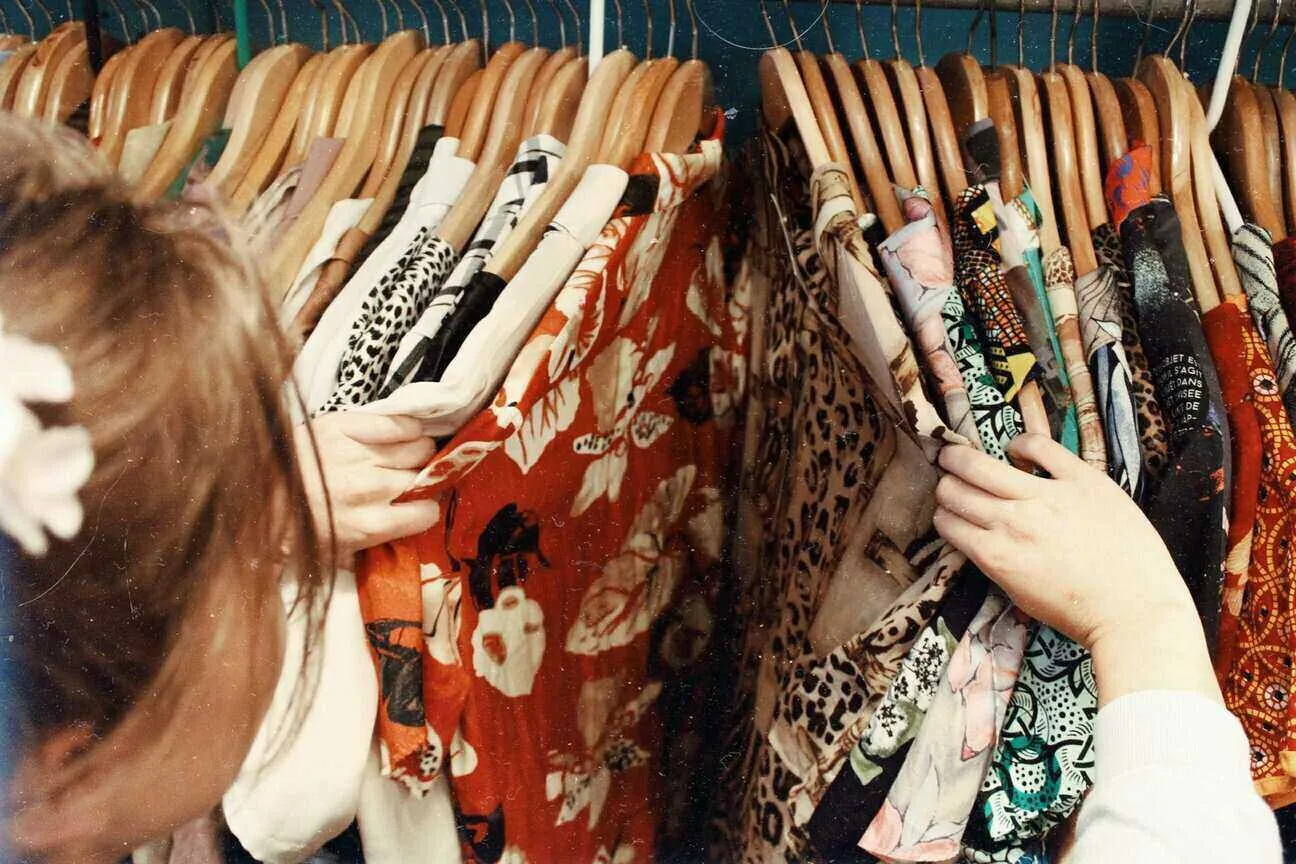
woman shopping for shirts 04.12.26

You’ve poured savings into samples, spent nights perfecting designs, and convinced yourself the market needs what you’re making. But when you launch, the silence is deafening. Pop-up sales disappoint. Instagram posts vanish into the void. The problem isn’t your product—it’s that nobody knows who you are or why they should care. For apparel startups, branding isn’t a luxury reserved for later-stage growth. It’s the difference between becoming one of the 80% of fashion startups that fold within twelve months and building a label that commands attention, loyalty, and revenue from day one.

The Visual System: Your First 30 Days Define Everything

Most founders approach visual identity backwards. They obsess over the perfect logo, hire expensive designers, then wonder why nothing converts. The truth? Your visual brand system needs to roll out in phases, not perfection.

Start with Phase 1 during weeks one and two: mood boards and a restricted color palette. Pull three to five hues directly from the materials and environments that define your category. If you’re building sustainable streetwear, your palette shouldn’t mimic luxury fashion’s blacks and golds—it should reflect recycled fabrics, urban concrete, and the earthy tones of your mission. Everlane demonstrated this principle when they shifted from bland neutrals to earthy tones that visually communicated their recycled materials focus, lifting Instagram engagement 40% in three months.

Phase 2, weeks three and four, focuses on logo sketches tested on actual mockups—not abstract concepts. Your logo must work at thumbnail size on mobile feeds and scale to storefront signage. Urban graffiti fonts work for streetwear; ornate scripts designed for wedding invitations don’t. Test variations on product photos, hang tags, and Instagram stories before committing.

By week five, you’re rolling out the full asset kit. This includes typography pairings (a bold sans-serif header with clean body copy), photography style (grainy urban shots consistently outperform polished studio work for emerging labels), and grid layouts for social feeds. Research shows that consistent imagery styles increase dwell time by 25% because followers recognize your content instantly.

Lock everything into a one-page style guide PDF. When you bring on contractors, influencers, or wholesale partners, this document ensures visual consistency without micromanagement. Outerknown applied this approach using mood boards derived from ocean waste photography, creating cohesive feeds that drove 30% repeat visits.

The entire process takes six weeks and can run on an indie budget using tools like Canva for mockups and before-after testing. Speed matters more than perfection because every week without a coherent visual identity costs you potential customers who scroll past unrecognizable content.

Positioning: Own a Category Nobody Else Claims

Big brands own broad categories through sheer budget. You can’t outspend them, but you can out-position them by claiming specific territory they ignore.

Start with keyword research that reveals actual search volume and competition levels. Tools like Ahrefs and SEMrush show that “sustainable streetwear” generates 12,000 monthly searches, while “eco-urban apparel” is rising 150% year-over-year. The difference between ranking for these terms versus generic “apparel” is the difference between visibility and obscurity.

Category mapping separates winners from failures. Instead of positioning as “apparel,” claim “eco-urban streetwear for millennials.” This specificity lets you own 70% of searches for “vegan leather hoodies” rather than competing for scraps in oversaturated markets. Patagonia’s focus on outdoor sustainability left gaps for Brooklyn-authentic voices targeting urban environments—exactly the opening ThreadVibe-style brands exploit.

The competitor gap finder technique works like this: List your closest rivals, then search “alternatives to [rival brand] streetwear.” You’ll discover underserved queries like “budget sustainable urban wear” where you can rank in the top three within two months. Brands using this approach report doubling traffic from gap-filling content because they’re answering questions competitors overlook.

Google Trends reveals seasonal spikes before they peak. When “sustainable vinyl pants” starts trending, you have a two-month window to create content and products that capture that wave before mass-market brands notice. This timing advantage cuts ad costs by 50% because you’re riding organic interest rather than fighting established players.

Position yourself as the answer to a specific problem for a specific person in a specific context. “Sustainable streetwear” is vague. “Brooklyn-made eco-urban hoodies for millennials who bike to work” is a position you can defend and dominate.

Founder Narratives: The Story That Sells Before Product Does

People don’t buy from faceless brands. They buy from founders whose stories mirror their own aspirations or validate their values.

Your narrative needs three components: the hook, the arc, and the call-to-action. Forbes research on founder storytelling shows that hooks like “Quit corporate job to prototype 20 designs in my apartment” immediately establish relatability and risk-taking credibility. The arc—”Bootstrapped with $35K from savings and friends to reach 1,000 customers”—demonstrates progress without pretending you’re already successful. The CTA—”Join the eco-urban movement, DM for collabs”—invites participation rather than passive consumption.

This narrative structure works across media pitches. When you approach outlets like Hypebeast or Refinery29, they’re not interested in product specs. They want the human story that makes readers care. A well-crafted founder narrative increases feature placement rates by making editors’ jobs easier—you’ve already written the angle they need.

Early trust building requires proof from real customers, not marketing copy. Business of Fashion research confirms that user-generated content from your first 50 buyers carries more weight than professional campaigns. Run Instagram polls, repost raw pop-up event photos, and showcase customer styling. Avoid stock photography—it signals you’re hiding something.

Backlinks from credible fashion blogs compound this trust. Guest posts on topics like “urban sustainability hacks” for sites like Refinery29 position you as a thought leader while driving referral traffic. The key is tying your expertise to your origin story—you’re not just writing SEO content, you’re demonstrating the knowledge that led you to start the brand.

Press kits accelerate this process. A one-page PDF connecting your apartment sketches to your eco-mission, paired with high-resolution logos and founder bio, gives journalists everything they need. Sending targeted press kits to 20 niche outlets like Highsnobiety typically yields 15% open rates—far better than spray-and-pray approaches.

Gymshark’s growth trajectory proves the model: they hit $100K fast by sharing athlete user-generated content that showed real people achieving real results. Replicate this with millennial streetwear testimonials that document how your pieces fit into actual urban lifestyles, not fantasy scenarios.

SEO Integration: Making Your Brand Discoverable

Beautiful branding that nobody sees is worthless. Search visibility determines whether you’re discovered or ignored.

Content types must match search intent. SEO research for fashion brands shows that informational content like “How to style sustainable streetwear” drives 60% of traffic, while transactional pages like “Buy eco-urban hoodies” convert 40% of visitors. You need both, optimized for different stages of the customer journey.

On-page optimizations sound technical but deliver immediate results. Title tags following the pattern “Eco-Urban Streetwear Hoodies | ThreadVibe Brooklyn” boost click-through rates 22% because they communicate category, location, and brand simultaneously. Meta descriptions like “Sustainable vinyl pants for city life—shop now” combine value proposition with urgency. Alt text on product images—”Brooklyn sustainable hoodie model”—helps you appear in image search results where competitors neglect optimization.

Trend integration separates reactive brands from proactive ones. Using tools like Ahrefs to identify viral keywords like “quiet luxury streetwear” before they peak lets you create “2026 eco-urban trends” content that captures People Also Ask features. Brands doing this report 35% organic traffic lifts because they’re answering emerging questions before competition arrives.

Local SEO matters more than founders realize. Pulling Google Search Console data for “sustainable apparel near me” and optimizing with Brooklyn geotags captures high-intent local shoppers. Testing “best eco-streetwear 2026” pages gains 25% traffic from shopping search results because you’re visible when purchase intent peaks.

The intersection of branding and SEO is where discoverability happens. Your visual identity must translate to image search optimization. Your founder story must inform blog content that ranks. Your category positioning must align with actual search queries people type.

Six weeks from now, you can have a visual system that stops scrollers mid-feed, a category position that makes you the obvious choice for a specific customer, and a founder narrative that turns strangers into advocates. The apparel startups that survive aren’t the ones with the biggest budgets—they’re the ones that build coherent brand identities fast, position strategically, and earn trust through authentic storytelling before competitors notice the gap. Start with your mood board tonight. Map your category position tomorrow. Write your founder story this weekend. The market won’t wait, and neither should you.

reddit
Digital PR

Why Reddit and Wikipedia Now Drive More Brand Discovery Than Most Owned Media

If you want to know where AI answer engines pull their citations from, the answer is concentrated....

Learn More
Digital PR

The Four Signals: How to Engineer a Brand to Be Cited Inside AI Answers

When a buyer asks ChatGPT, Perplexity, Google AI Overviews, or Gemini who the leaders are in your...

Learn More
Marketing

THE ACCOUNTING & FINANCE SOFTWARE AI VISIBILITY INDEX 2026

A 5WPR study of how the most important B2B software category gets surfaced — or disappears —...

Learn More
Related Marketing