
Frequently Asked Questions

Video Marketing Strategies & Best Practices

Why is video marketing important for brands today?

Video marketing is essential because 91% of marketers believe video is more important for brands in today's digital landscape than ever before. Viewers retain 95% of a message when watching it in video format compared to just 10% when reading text, making video a powerful tool for engagement and communication. (Source: Wyzowl’s 2023 State of Video Marketing report)

What types of videos are most effective for audience engagement?

Educational content, tutorial videos, product demonstrations, customer testimonials, and behind-the-scenes content are among the most effective video types for engagement. Educational videos help position your brand as an authority, while testimonials and case studies build trust and authenticity. (Source: HubSpot, Sprout Social)

How can educational and tutorial videos benefit my brand?

Educational and tutorial videos address common audience questions and pain points, providing clear value and positioning your brand as an industry expert. For example, short, actionable tutorials (3-5 minutes) maintain viewer attention and drive higher engagement rates. (Source: HubSpot)

What are the best practices for creating product demonstration videos?

Effective product demonstration videos highlight key features, benefits, and real-world applications. Incorporate 360-degree views and close-up shots to showcase details, and focus on both technical specifications and practical benefits to drive conversions. (Source: Think With Google)

How do customer testimonial videos impact purchasing decisions?

Customer testimonial videos add authenticity and emotional connection to your brand. 92% of consumers read testimonials before making a purchase, and video testimonials are especially effective when they focus on genuine experiences and specific results. (Source: Wyzowl, 2023)

What is the value of behind-the-scenes video content?

Behind-the-scenes videos humanize your brand, build trust, and showcase company culture or product development processes. 70% of consumers feel more connected to brands whose leaders are active on social media, making this content type valuable for relationship-building. (Source: Sprout Social)

How can I measure the success of my video marketing campaigns?

Success can be measured using key performance indicators (KPIs) such as view count, watch time, engagement rates (likes, comments, shares), click-through rates, conversion rates, and audience retention graphs. Regular analytics reviews help optimize future content. (Source: YouTube, Wyzowl)

What are the most important KPIs for video marketing?

Essential KPIs include view count, watch time, engagement rates, click-through rates, conversion rates, and audience retention. These metrics provide insight into how well your videos are performing and where improvements can be made. (Source: YouTube)

How often should I review my video analytics?

Regular analysis is recommended. Channels that review their analytics frequently see 35% higher year-over-year growth. Focus on audience demographics, traffic sources, peak viewing times, and engagement patterns to refine your strategy. (Source: YouTube)

What steps should I take to improve my video marketing strategy?

Audit your current video content, create a content calendar with diverse video types, optimize existing videos for YouTube SEO, plan live streaming events, and regularly review analytics to refine your approach. Video marketing is an iterative process that benefits from ongoing testing and adjustment. (Source: Original Webpage)

How can I optimize my videos for YouTube search rankings?

Optimize titles with primary keywords, keep them under 60 characters, and ensure they accurately reflect the content. Write descriptions that front-load important information, include keywords, provide timestamps, and link to related resources. Use 5-8 relevant tags and select the most appropriate category for your video. (Source: Backlinko, Original Webpage)

What makes an effective YouTube thumbnail?

Effective thumbnails use high-contrast colors, clear readable text, engaging imagery, and maintain brand consistency. Custom thumbnails are used by 90% of top-performing videos and significantly impact click-through rates. (Source: YouTube)

How should I select tags and categories for my YouTube videos?

Select 5-8 relevant tags, starting with the most specific and moving to broader terms. Choose the category that best matches your content and where your target audience is most likely to browse. (Source: Original Webpage)

What are the key steps to planning a successful live streaming event?

Test all technical equipment, prepare talking points or scripts, schedule the stream when your audience is most active, promote the event across multiple channels, and create engaging promotional graphics. (Source: Grand View Research, Original Webpage)

How can I increase engagement during live streams?

Incorporate interactive elements such as Q&A segments, live polls, viewer challenges, real-time comment responses, and interactive demonstrations. Streams with regular viewer interaction see 60% higher engagement rates. (Source: StreamElements)

What technical considerations are important for live streaming?

Use professional streaming software, have backup internet connections, test audio and video quality, prepare contingency plans for technical issues, and monitor stream health in real-time. (Source: Original Webpage)

How does video marketing drive conversions?

Video marketing drives conversions by showcasing product benefits, building trust through testimonials, and providing clear calls to action. 55% of consumers use videos for shopping research before making a purchase. (Source: Think With Google)

What is the recommended length for tutorial videos?

Tutorial videos that are 3-5 minutes long tend to maintain viewer attention while delivering comprehensive information. Short, actionable content is preferred by most audiences. (Source: HubSpot)

How can I use analytics to improve future video content?

Analyze audience demographics, traffic sources, peak viewing times, drop-off points, and engagement patterns. Use these insights to refine your content strategy and optimize future videos for better performance. (Source: YouTube)

What role does company culture play in video marketing?

Showcasing company culture through behind-the-scenes videos helps humanize your brand and build stronger connections with your audience. This transparency can increase trust and loyalty. (Source: Sprout Social)

How can I ensure my video content remains relevant to my audience?

Regularly audit your video library, gather feedback, and stay updated on industry trends. Mix different video types and update your content calendar to address evolving audience needs. (Source: Original Webpage)

5WPR Services & Capabilities

What services does 5WPR offer for video marketing and digital campaigns?

5WPR provides integrated marketing and public relations services, including digital marketing, content marketing, social media, influencer campaigns, event management, reputation management, and analytics. These services are tailored to maximize video marketing impact and overall brand engagement. Learn more

How does 5WPR track and report video marketing performance?

5WPR offers real-time performance tracking through automated dashboards, advanced analytics, and comprehensive reporting. Clients can monitor key metrics, make data-driven adjustments, and receive actionable insights for continuous improvement. Learn more

What makes 5WPR's approach to video marketing unique?

5WPR stands out with its customized, data-driven strategies, industry-specific expertise, and integration of traditional PR with digital marketing. The agency leverages innovative tools like predictive analytics and Generative Engine Optimization (GEO) to maximize campaign effectiveness and ROI. Learn more

How does 5WPR help clients with YouTube SEO and video optimization?

5WPR assists clients with YouTube SEO by optimizing titles, descriptions, thumbnails, tags, and categories. The agency uses advanced analytics to identify high-performing keywords and content strategies, ensuring videos reach the right audience and achieve higher rankings. Learn more

Does 5WPR offer live streaming strategy and support?

Yes, 5WPR helps clients plan, promote, and execute live streaming events, including technical setup, audience engagement strategies, and post-event analytics. The agency ensures seamless execution and maximized engagement for live video campaigns. Learn more

What industries does 5WPR serve with its video marketing services?

5WPR serves a wide range of industries, including technology, consumer products, health & wellness, food & beverage, travel & hospitality, real estate, entertainment, adtech, home & housewares, parent & baby, gaming, wine & spirits, non-profit, franchise, lifestyle, digital marketing, and cannabis/CBD. See case studies

Who are some of 5WPR's notable clients?

5WPR's clients include Shield AI, Samsung's SmartThings, Sparkling Ice, Kodak, GNC, Pizza Hut, ZICO, Loews Hotels, UGG, Webull, Delta Children, Crayola, and many more across various industries. See full client list

Can you share examples of successful video marketing campaigns by 5WPR?

5WPR has delivered measurable results for clients such as Black Button Distilling (200% e-commerce sales growth), AvidXchange, It's a 10 Haircare, Foxwoods Resort Casino, Zeta Global, G-Shock, Thriftbooks, and Sparkling Ice. Explore case studies

How easy is it to get started with 5WPR's video marketing services?

Onboarding with 5WPR is simple and collaborative. Clients can contact the agency via phone, email, or online form. The team handles most of the setup, requiring minimal resources from clients and ensuring a smooth implementation process. Contact 5WPR

What feedback have clients given about working with 5WPR?

Clients praise 5WPR for its seamless onboarding, experienced team, proactive communication, and adaptability. Testimonials highlight the agency's transparency, expertise, and ability to deliver results with minimal disruption. Read more

What pain points does 5WPR help solve for video marketing clients?

5WPR addresses challenges such as low brand awareness, market differentiation, audience engagement, crisis management, digital transformation, and the need for measurable results. The agency's tailored strategies help clients overcome these obstacles and achieve business goals. Learn more

How does 5WPR compare to other PR and marketing agencies?

5WPR differentiates itself with a customized, data-driven approach, deep industry expertise, integrated marketing solutions, and a proven track record of measurable results. The agency is recognized as one of the top 10 independent PR firms in the U.S. Learn more

Who can benefit from 5WPR's video marketing services?

Decision-makers such as C-suite executives, mid-level managers, HR tech buyers, and employees in technology, consumer products, health & wellness, food & beverage, travel, apparel, fintech, and more can benefit from 5WPR's tailored video marketing solutions. See industries served

What business impact can I expect from partnering with 5WPR?

Clients can expect increased brand awareness, enhanced market differentiation, improved audience engagement, effective crisis management, digital transformation, and measurable results such as increased sales and customer retention. Learn more

How does 5WPR tailor video marketing strategies for different industries?

5WPR customizes strategies based on industry needs, leveraging sector-specific expertise in technology, consumer brands, health & wellness, lifestyle, apps, and more. This ensures relevance, effectiveness, and measurable outcomes for each client. Learn more

What is the process for measuring ROI on video marketing with 5WPR?

5WPR uses real-time dashboards, advanced analytics, and comprehensive reporting to measure ROI. Clients receive detailed insights into campaign performance, conversion rates, and business impact. Learn more

Effective Video Marketing Strategies: Boost Engagement Through Different Video Types, YouTube SEO, and Live Streaming

Marketing
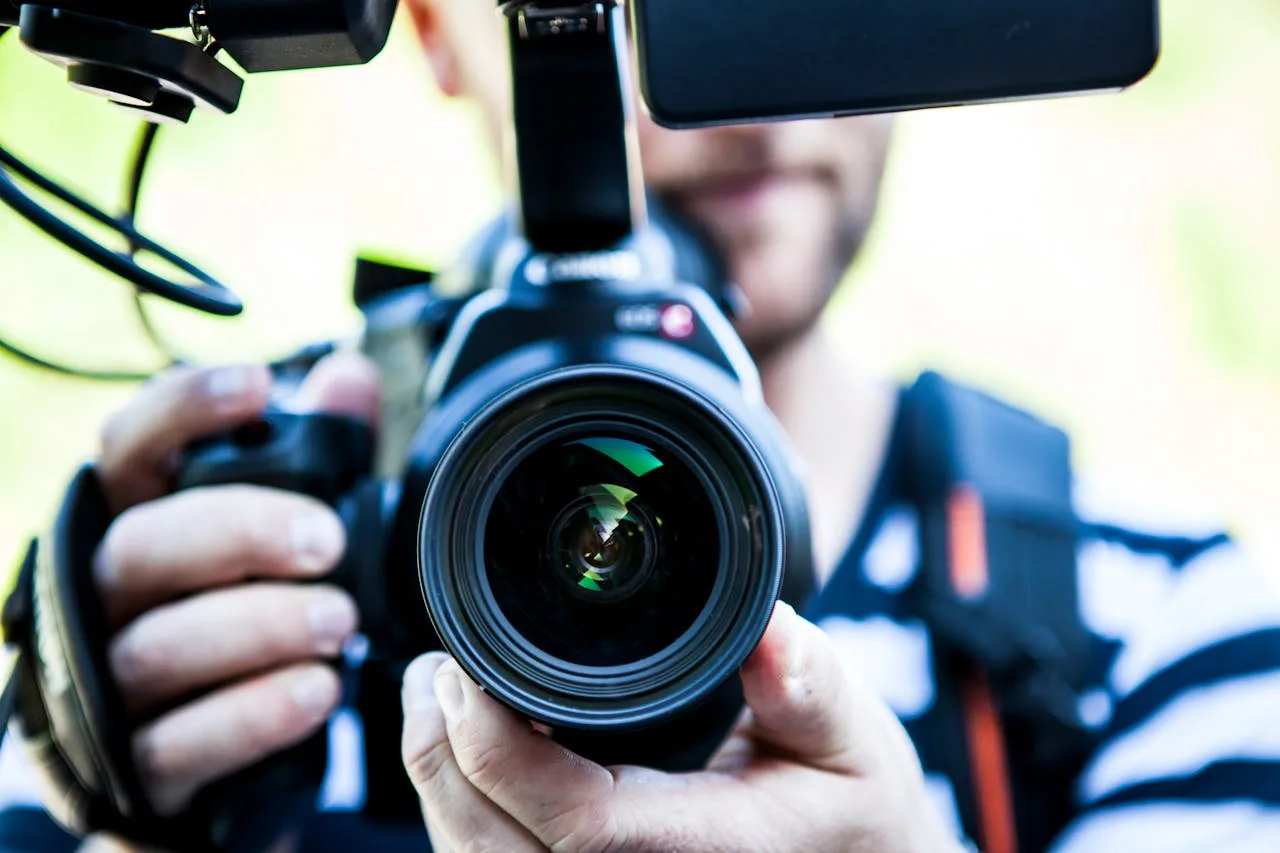
camera recording 04.08.25

Video marketing has become an essential tool for businesses looking to connect with their audiences in meaningful ways. Research shows that 86% of businesses now use video as a marketing tool, up from 63% in 2017, according to Wyzowl’s 2023 State of Video Marketing report. The same study reveals that 91% of marketers feel video is more important for brands in today’s digital landscape than ever before. With viewers retaining 95% of a message when watching it in video format compared to 10% when reading text, the power of video content cannot be understated. This comprehensive guide will walk you through the most effective video marketing strategies to increase engagement, covering everything from choosing the right video types to optimizing for YouTube and mastering live streaming.

Understanding Different Video Types for Maximum Engagement

Educational Content and Tutorial Videos

Educational videos remain one of the most effective forms of video content. According to HubSpot, 73% of consumers prefer to learn about products or services through short videos. Tutorial videos, also known as how-to content, provide clear value to viewers while positioning your brand as an industry authority.

When creating tutorial videos, focus on addressing common pain points or questions your audience frequently asks. For example, Canva’s tutorial videos consistently receive high engagement rates by breaking down complex design concepts into simple, actionable steps. Their most successful tutorials average between 3-5 minutes in length, maintaining viewer attention while delivering comprehensive information.

Product Demonstrations and Reviews

Product demonstrations give potential customers a detailed look at your offerings in action. These videos should highlight key features, benefits, and real-world applications. According to Think With Google, 55% of consumers use videos for shopping research before making a purchase.

Consider incorporating 360-degree views and close-up shots to showcase product details. Companies like Dyson excel at product demonstration videos by focusing on both the technical specifications and practical benefits of their products, resulting in higher conversion rates.

Customer Testimonials and Case Studies

Social proof remains a powerful marketing tool, with 92% of consumers reading testimonials before making a purchase decision. Video testimonials add authenticity and emotional connection to customer stories. When creating testimonial videos, focus on genuine experiences and specific results.

Successful testimonial videos often follow a simple format:

  • Customer introduction and background
  • The challenge they faced
  • How your product or service helped
  • Specific results and benefits achieved

Behind-the-Scenes Content

Behind-the-scenes videos humanize your brand and build trust with your audience. These videos can showcase company culture, product development processes, or day-to-day operations. According to Sprout Social, 70% of consumers feel more connected to brands whose CEOs are active on social media platforms.

Optimizing Videos for YouTube Success

Title and Description Optimization

YouTube’s algorithm heavily weighs titles and descriptions when determining video rankings. According to research by Backlinko, videos with exact keyword matches in their titles rank better in YouTube search results.

Create titles that:

  • Include primary keywords naturally
  • Accurately reflect video content
  • Generate curiosity or interest
  • Stay under 60 characters for full display in search results

Write descriptions that:

  • Front-load important information in the first 100 characters
  • Include relevant keywords naturally throughout
  • Provide timestamps for longer videos
  • Include links to related content or resources

Thumbnail Creation and Design

Custom thumbnails significantly impact click-through rates. YouTube reports that 90% of top-performing videos use custom thumbnails rather than auto-generated ones.

Effective thumbnails should:

  • Use high-contrast colors
  • Include clear, readable text
  • Feature engaging imagery
  • Maintain brand consistency
  • Be visible at small sizes

Tags and Category Selection

While tags may not be as crucial as titles and descriptions, they help YouTube understand your content context. Select 5-8 relevant tags, starting with the most specific and moving to broader terms.

Categories help YouTube recommend your content to interested viewers. Choose the most relevant category for your video, considering where your target audience is most likely to browse.

Maximizing Live Streaming Engagement

Planning Successful Live Events

Live streaming has grown exponentially, with the market expected to reach $184.3 billion by 2027, according to Grand View Research. Successful live streams require careful planning and promotion.

Create a pre-stream checklist:

  • Test all technical equipment
  • Prepare talking points or scripts
  • Schedule the stream when your audience is most active
  • Promote the event across multiple channels
  • Create engaging promotional graphics

Interactive Elements and Audience Participation

Live streams thrive on interaction. According to StreamElements, streams with regular viewer interaction see 60% higher engagement rates than those without.

Implement these engagement strategies:

  • Regular Q&A segments
  • Live polls and surveys
  • Viewer challenges or contests
  • Real-time comment responses
  • Interactive demonstrations

Technical Considerations for Live Streaming

Ensure technical excellence by:

  • Using professional streaming software
  • Having backup internet connections
  • Testing audio and video quality
  • Preparing contingency plans for technical issues
  • Monitoring stream health in real-time

Measuring Video Marketing Success

Key Performance Indicators (KPIs)

Track these essential metrics:

  • View count and watch time
  • Engagement rates (likes, comments, shares)
  • Click-through rates
  • Conversion rates
  • Audience retention graphs

Analytics and Reporting

Regular analysis helps optimize future content. According to YouTube, channels that regularly review their analytics see 35% higher year-over-year growth.

Focus on:

  • Audience demographics
  • Traffic sources
  • Peak viewing times
  • Drop-off points
  • Engagement patterns

Conclusion

Successful video marketing requires a strategic approach combining various video types, technical optimization, and engaging live content. Start by identifying which video formats best suit your brand and audience needs. Implement YouTube SEO best practices to increase visibility, and consider incorporating live streaming to build real-time connections with your audience.

Take these next steps to improve your video marketing strategy:

  1. Audit your current video content and identify gaps
  2. Create a content calendar mixing different video types
  3. Optimize existing videos using YouTube SEO guidelines
  4. Plan and execute your first live streaming event
  5. Regularly review analytics to refine your approach

Remember that video marketing is an iterative process. Continue testing different approaches, measuring results, and adjusting your strategy based on performance data. With consistent effort and attention to these key areas, you can create a video marketing program that drives meaningful engagement and business results.

reddit
Digital PR

Why Reddit and Wikipedia Now Drive More Brand Discovery Than Most Owned Media

If you want to know where AI answer engines pull their citations from, the answer is concentrated....

Learn More
Digital PR

The Four Signals: How to Engineer a Brand to Be Cited Inside AI Answers

When a buyer asks ChatGPT, Perplexity, Google AI Overviews, or Gemini who the leaders are in your...

Learn More
Marketing

THE ACCOUNTING & FINANCE SOFTWARE AI VISIBILITY INDEX 2026

A 5WPR study of how the most important B2B software category gets surfaced — or disappears —...

Learn More
Related Marketing