Retail trends for 2026 center on five shifts: stores turning into hybrid experience hubs, traditional brands adding direct-to-consumer channels, sustainability moving into packaging and circular programs, retailers tightening free-return policies, and retail media absorbing a growing share of ad budgets. US retail media ad spend will reach $71.09 billion in 2026, per eMarketer's H1 2026 forecast, making it one of the fastest-growing lines in a retailer's marketing budget.
Last updated September 2026.
How are stores blending with e-commerce in 2026?
Stores are turning into hybrid spaces that pair in-person retail experiences with the convenience of online shopping, rather than treating the two channels separately. Retailers are adding events, product demos and interactive displays so a physical location does more than hold inventory. Some chains are testing AR and VR fitting tools so shoppers can try a product digitally before buying it in the aisle. The goal is one continuous shopping trip, whether it starts on a phone or a store floor.
Why are traditional brands adding direct-to-consumer (DTC) channels?
Traditional retail brands are building direct-to-consumer channels to own first-party customer data and control their own product story, a strategy once limited to digitally native brands. A brand that sells DTC can test a new product, collect purchase and repeat-buy data, and bring that evidence to a retail buyer before asking for shelf space. NielsenIQ's Innovation Measurement database found that 52% of new CPG items with national distribution grow sales in their second year on shelf, and DTC sales data is often what convinces a buyer a product will be one of them.
Some brands run a hybrid model, keeping a strong retail footprint while building a DTC site for new launches and loyalty offers. That combination lets a brand reach a shopper who wants same-day pickup and a shopper who wants to order directly from the brand's own site, without picking one channel over the other. Emerging brands can pair this with the retail-partnership work covered in navigating CPG retail partnerships.
What sustainability commitments are retailers making?
Retailers are building circular-economy programs into their supply chains, covering product recyclability, repairability and reduced packaging waste. Take-back programs, recycled materials and products designed for a longer life are moving from pilot projects into standard buyer requirements. Brands that want retail placement now need a sustainability story that a retail buyer can verify, not just state.
Packaging is the most visible piece of this shift. As plastic-pollution scrutiny grows, retailers are pushing suppliers toward minimalist, recyclable packaging and away from mixed-material designs that recycling facilities cannot process. A brand that redesigns packaging around a single recyclable material has an easier sustainability claim to defend than one juggling multiple layers of plastic and foil.
Why are retailers still fighting over free returns?
Retailers are competing on return policy because a low-friction return has become as important to a shopper's purchase decision as price. Extended return windows, simplified drop-off and prepaid labels remain standard offers, but the cost and environmental impact of processing returns is pushing retailers toward smarter handling instead of simply eating the cost. Reverse-logistics platforms such as Optoro help retailers assess a returned item's condition and route it back to resale, rental or liquidation instead of a landfill.
Which retail conferences and trade shows matter in 2026?
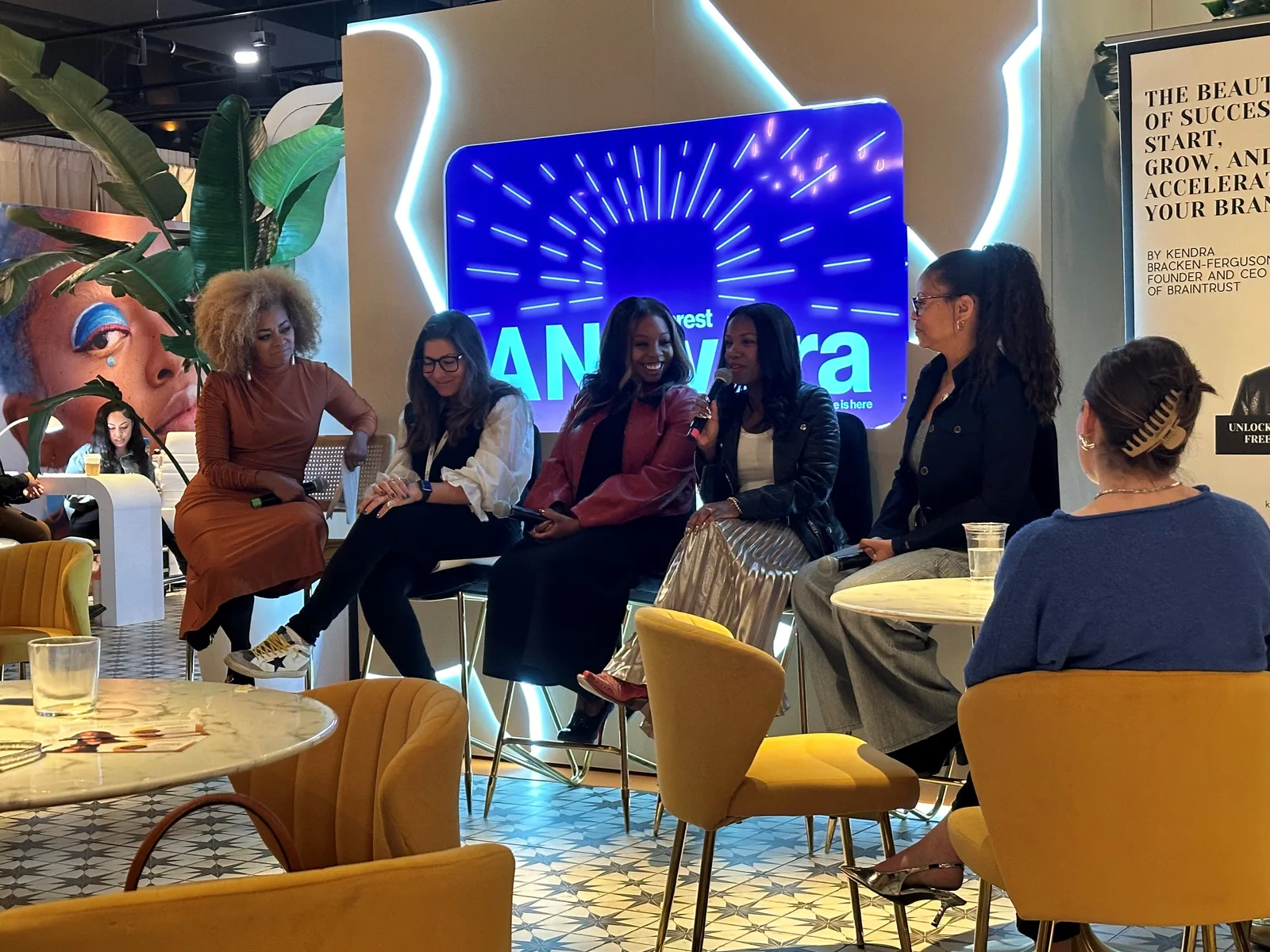
NRF: Retail's Big Show, eTail, Shoptalk, the Retail Innovation Conference & Expo, and CommerceNext are the five events that draw the most retail decision-makers each year. NRF's own event site reports more than 45,000 attendees at Retail's Big Show in New York, making it the largest gathering on the calendar and the one most retail PR and marketing teams build a January travel budget around.
| Event | Focus | Why it matters |
|---|---|---|
| NRF: Retail's Big Show | Retail technology, operations and customer experience | Largest retail expo worldwide, 45,000+ attendees per NRF |
| eTail | E-commerce growth and retention tactics | Small-group sessions built for peer-to-peer retail networking |
| Shoptalk | Retail technology and consumer behavior across categories | Runs sister events in Europe and a fall edition in Chicago |
| Retail Innovation Conference & Expo | In-store technology and operations | Focused specifically on piloting new retail technology |
| CommerceNext | E-commerce marketing, acquisition and retention | Built for marketing and growth teams rather than store operators |
Each event serves a different team. NRF and the Retail Innovation Conference & Expo suit operations and technology leads, eTail and CommerceNext suit e-commerce and growth marketers, and Shoptalk covers both, with regional editions for teams that cannot get to Las Vegas or New York. Teams also planning PR presence at these events can pair a conference calendar with a broader networking events list for PR professionals.
CONCLUSION
Retail in 2026 rewards brands that treat stores, DTC channels and retail media as one connected system instead of separate budgets, because the shopper moving between them expects the same product story and the same offer everywhere they land.