Public apologies have become a defining feature of modern reputation management. When public figures, corporate leaders, or celebrities face controversy, the way they respond can either restore trust or deepen the crisis. A well-crafted public apology requires more than just saying “I’m sorry”—it demands careful consideration of timing, language, and follow-through. The difference between an apology that repairs relationships and one that generates further backlash often comes down to authenticity, accountability, and a genuine commitment to change. This guide provides practical strategies for structuring, delivering, and following up on public apologies that rebuild credibility and demonstrate real accountability.
Core Components of an Effective Public Apology
A successful public apology requires specific elements that work together to demonstrate sincerity and accountability. The foundation starts with taking full responsibility without equivocation or blame-shifting. When crafting your apology, you must say “I’m sorry” directly rather than using passive constructions like “mistakes were made” or “if anyone was offended.” This direct acknowledgment shows you understand the impact of your actions.
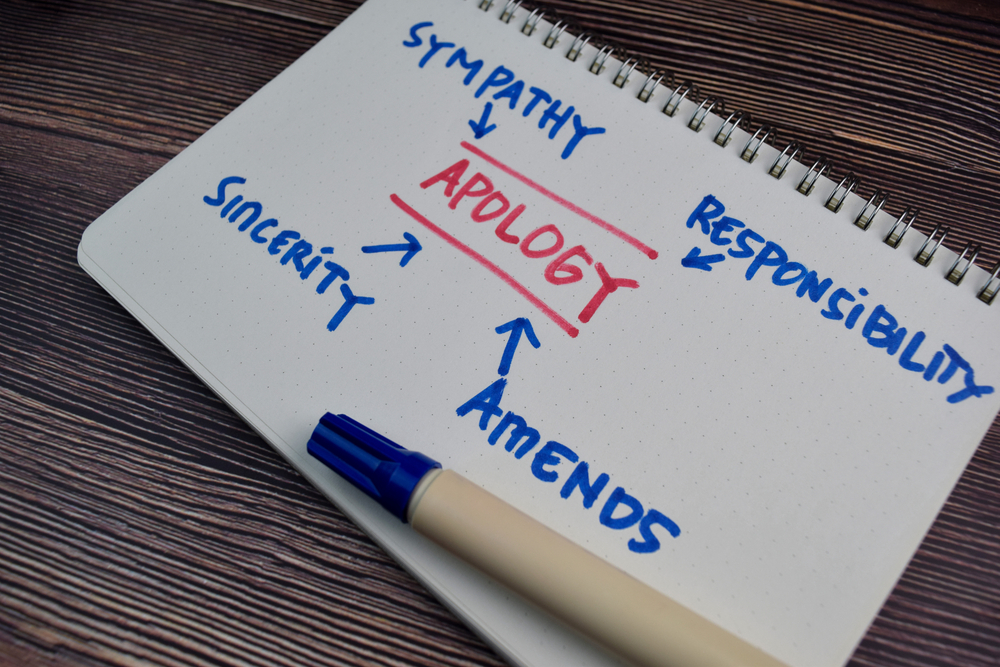
The five core components that form the backbone of any effective public apology include: apologizing clearly, accepting responsibility, acting to prevent recurrence, altering behavior demonstrably, and avoiding excuses. Each element serves a specific purpose in rebuilding trust. The apology itself must be unambiguous and directed at all affected parties, including those indirectly impacted by your actions. Accepting responsibility means acknowledging your role without deflecting blame onto circumstances, other people, or misunderstandings.
Research on celebrity apologies shows that combining multiple strategies increases effectiveness. Expression of regret, explanation of context, acknowledgment of responsibility, declaration of repentance, offer of repair, and demonstration of empathy all contribute to public trust. Taking responsibility emerges as the most important single factor, but pairing it with explanation and empathy significantly increases public sympathy. The key distinction here is that explanation provides context without making excuses—you can clarify what happened without minimizing the harm caused.
One common pitfall to avoid is focusing on your own pain or casting yourself as a victim. Apologies that center on how difficult the situation has been for you, rather than acknowledging the harm to others, typically backfire. Your apology should prioritize the experiences and feelings of those affected, not your personal struggles with the consequences of your actions. Tracy Morgan’s apology for using a slur provides a strong example: he listened to feedback, apologized directly, and took concrete steps to make amends rather than dwelling on how the controversy affected him personally.
Timing Your Public Apology Correctly
The question of when to apologize publicly requires balancing several competing factors. Acting too quickly, before you fully understand the situation, can lead to incomplete or inaccurate apologies that require correction later. Waiting too long, however, signals a lack of concern and allows negative narratives to solidify in public perception. The optimal approach involves confirming the facts as quickly as possible, then issuing your apology promptly once you have a clear understanding of what happened and who was affected.
Delaying an apology deepens reputational damage because it suggests you’re more concerned with managing consequences than addressing harm. Public sentiment and media cycles move rapidly, and a delayed response can be interpreted as calculating damage control rather than genuine remorse. Once the situation becomes clear and you understand the full scope of impact, moving forward with your apology demonstrates accountability and commitment to resolution.
Your timing should also align with public sentiment and media coverage patterns. Apologies issued too early may seem rushed and insincere, while those that come too late appear reactive rather than proactive. Monitoring public reaction and media coverage helps you identify the optimal moment when your apology will be received most effectively. This doesn’t mean waiting for the perfect moment—it means acting as soon as you can do so thoughtfully and completely.
Consistency in timing and messaging matters tremendously. If you’ve made previous statements about the issue, your apology needs to align with those statements or explicitly acknowledge where your understanding has changed. Apologies that contradict earlier positions without explanation fuel skepticism and make you appear inconsistent or dishonest. The timing of your apology should reflect genuine recognition of wrongdoing rather than a strategic response to mounting pressure.
Language and Tone That Convey Sincerity
The specific words you choose and the tone you adopt can make or break your public apology. Direct, unambiguous language works better than elaborate explanations or hedging. Say “I’m sorry” rather than “I apologize if anyone felt hurt” or “mistakes were made.” The difference between these phrasings is substantial—the first takes ownership, while the others create distance between you and responsibility for the harm caused.
Authenticity and consistency in tone are critical for credibility. Apologies that swing between different emotional registers or appear overly scripted can seem insincere. The Drew Barrymore example illustrates this point: her apology video was criticized for appearing overly emotional and unprepared, and deleting it afterward further damaged her credibility. Your delivery should match the seriousness of the situation without appearing theatrical or performative.
Empathy and acknowledgment of responsibility strengthen your apology’s credibility. Express regret while acknowledging the specific impact on others, not just general disappointment about the situation. Avoid condescension or defensiveness in your language—these tones suggest you don’t fully accept responsibility or understand why people are upset. Your apology should demonstrate that you’ve listened to and understood the concerns raised.
Focus your language on the affected parties rather than on yourself. Phrases that center your experience—”This has been so hard for me” or “I’ve learned so much from this”—shift attention away from those harmed by your actions. While personal growth may be part of your journey forward, your apology should prioritize acknowledging harm and committing to repair. Humble, straightforward language proves more effective than elaborate explanations that can sound like justifications.
Following Up with Meaningful Action
Words alone cannot rebuild trust—your apology must be followed by concrete actions that demonstrate genuine commitment to change. These actions should be specific, visible, and directly related to the harm caused. Public service announcements, visits to affected organizations, donations to relevant causes, or policy changes all serve as tangible evidence that your apology represents real commitment rather than just damage control.
Research confirms that offering repair—whether through financial compensation, community engagement, or policy changes—significantly accelerates trust rebuilding. Public trust recovers faster when apologies are accompanied by visible, meaningful actions that address the underlying issues. These actions should be proportionate to the harm caused and should directly benefit those affected whenever possible.
Specify the steps you’ve taken to prevent future incidents. Your follow-up should include transparent communication about what has changed, what systems or processes you’ve put in place, and how you’re holding yourself accountable going forward. Public commitments create accountability and give people concrete ways to evaluate whether you’re following through on your promises. This transparency demonstrates that your apology represents a turning point rather than just a public relations exercise.
Your actions must match the tone and content of your apology. Inconsistent follow-up—such as deleting apology videos, failing to implement promised changes, or reverting to problematic behavior—undermines everything your apology attempted to accomplish. Ongoing transparency and accountability prove that your words reflected genuine understanding and commitment to change. The actions you take after apologizing often matter more than the apology itself in determining whether you successfully rebuild trust.
Preparing for and Managing Ongoing Backlash
Even well-crafted apologies typically face some level of continued criticism, and preparing for this reality helps you respond effectively. Public figures should expect skepticism and be ready to demonstrate change through consistent behavior over time rather than expecting immediate forgiveness. Failing to move past the initial apology without addressing ongoing concerns can prolong reputational damage and suggest you haven’t fully grasped the significance of the issue.
Public reactions vary widely, but trust rebuilds when apologies are followed by consistent, empathetic responses to criticism. Acknowledging ongoing concerns and showing willingness to listen helps maintain credibility even when facing continued backlash. This doesn’t mean endlessly re-apologizing or becoming defensive—it means demonstrating through your actions that you’ve internalized the lessons and are committed to doing better.
Anticipate skepticism and be prepared to provide evidence of change. People who were harmed or disappointed by your actions have legitimate reasons to question whether your apology represents genuine change or just strategic positioning. Providing concrete evidence of behavioral change, policy implementation, or other tangible steps helps address this skepticism constructively. Avoid defensiveness when facing continued criticism—instead, use it as an opportunity to demonstrate your commitment to accountability.
Inconsistent or defensive responses to backlash can significantly worsen your situation. Deleting apology videos, appearing unprepared for criticism, or becoming combative with critics signals that your apology wasn’t genuine. Preparation and consistency are essential for managing ongoing backlash effectively. This means having a clear plan for how you’ll respond to continued criticism, what evidence you can point to regarding changes you’ve made, and how you’ll maintain transparency throughout the recovery process.
Moving Forward After a Public Apology
Public apologies represent a starting point for rebuilding trust, not an endpoint. The real work begins after you’ve apologized, as you demonstrate through consistent behavior that your words reflected genuine understanding and commitment to change. Long-term reputation recovery depends on sustained effort, transparency, and accountability that extends well beyond the initial apology and immediate follow-up actions.
Your approach to managing your reputation after apologizing should include regular communication about progress, openness to feedback, and willingness to adjust your approach based on what you learn. This ongoing engagement shows that you view accountability as a continuous process rather than a single event. People are more likely to forgive and move forward when they see sustained evidence that you’ve changed, not just that you said the right things in a moment of crisis.
The most successful public apologies combine immediate acknowledgment of harm with long-term commitment to different behavior. They demonstrate understanding of why the actions were harmful, take full responsibility without excuses, and follow through with concrete actions that address the underlying issues. By focusing on these elements—clear structure, appropriate timing, sincere language, meaningful action, and preparation for ongoing scrutiny—you can craft a public apology that genuinely rebuilds trust and demonstrates accountability. The path forward requires patience, consistency, and genuine commitment to being better, but these efforts make the difference between an apology that repairs relationships and one that becomes another source of controversy.