

The Gambling Industry Spent $3.9 Billion on Marketing Last Year. Here Is What the Data Shows.
5WPR Research Division | April 15, 2026
The U.S. sports betting and online gaming industries collectively spent $3.9 billion on advertising and marketing in 2025, making gambling one of the top five advertising categories on American television for the third consecutive year.
5WPR Research Division | April 15, 2026 The U.S. sports betting...
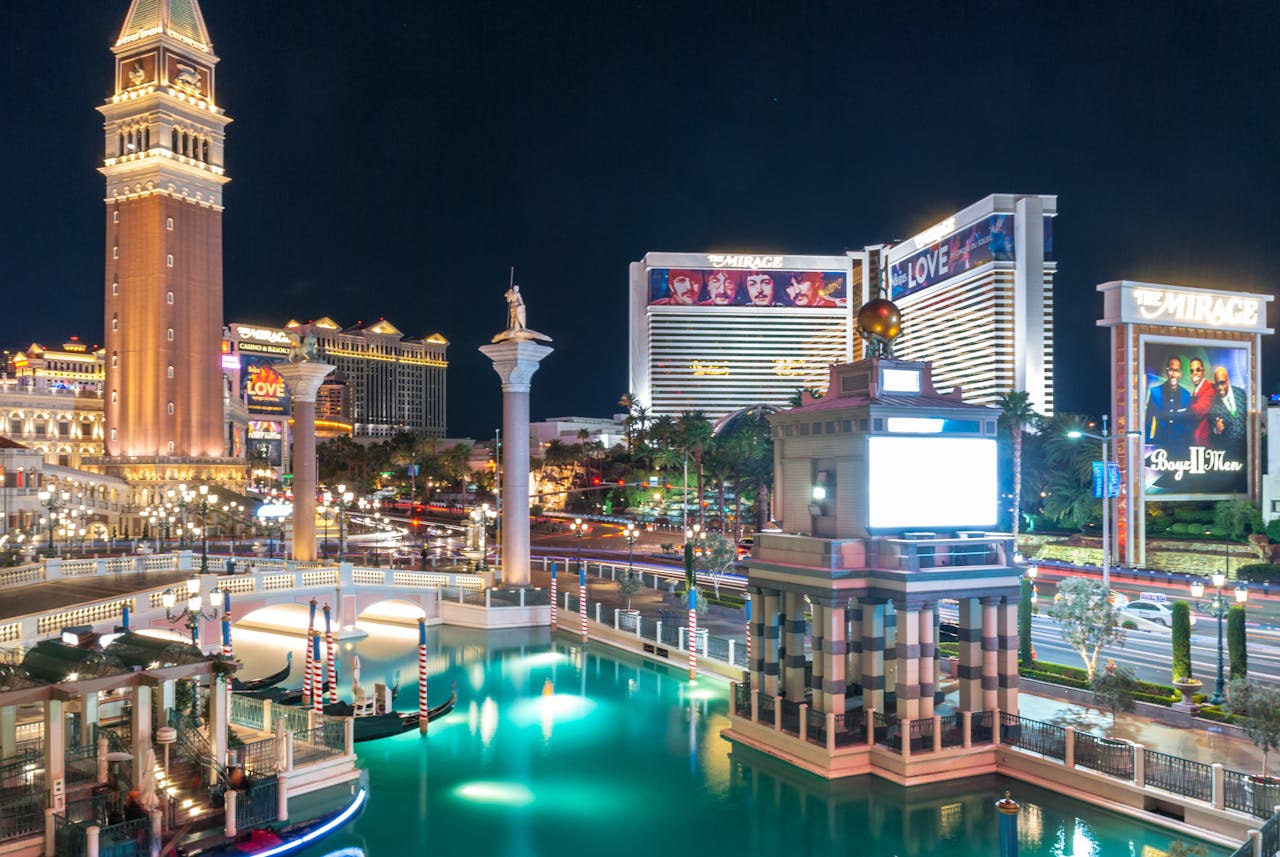
How to Choose a Travel Digital Marketing Agency: A Buyer’s Guide
The travel marketing agency landscape is crowded with generalists claiming travel expertise. Here’s a practical framework for identifying which agency will actually move the needle for your specific travel business — and the questions to ask before you sign anything.
Choosing a digital marketing agency for your travel business is a high-stakes decision. The wrong choice doesn’t just waste budget — it costs you the booking momentum, media relationships, and market positioning you needed during the time you were paying for inadequate work. And in travel, where seasonality means a bad quarter can’t easily be recovered, getting this choice right the first time matters.
The travel marketing agency landscape is crowded with generalists...

What Is Hotel Digital Marketing?
Hotel digital marketing is the set of online strategies and tactics hotels use to attract guests, drive direct bookings, and build long-term brand loyalty. Here’s what it encompasses, how it differs from traditional hotel marketing, and why it matters more than ever.
Hotel digital marketing is the practice of using digital channels — search engines, social media platforms, email, paid advertising, and the hotel’s own website — to attract potential guests, convert them into bookings, and retain them as repeat visitors. It encompasses everything from the paid search campaign that appears when a traveler searches for hotels in your city to the post-stay email that invites a guest to return.
Hotel digital marketing is the set of online strategies and tactics...

Earned GEO Media Strategies For Investment Firms
Investment and brokerage firms face a paradox that keeps marketing executives awake at night: the media coverage that builds credibility often conflicts with the compliance frameworks that protect your firm from regulatory scrutiny. Meanwhile, the rules of visibility have fundamentally changed. When prospects search for investment guidance, they’re increasingly asking AI platforms like ChatGPT or Perplexity rather than clicking through Google results. Your firm could secure a placement in the Wall Street Journal, but if AI systems don’t cite that coverage when answering queries about sustainable investing or wealth management strategies, you’ve missed the opportunity to shape how the market perceives your expertise. The firms winning this new game have learned to thread a precise needle: crafting stories that satisfy both compliance officers and journalists while positioning insights in formats that AI systems recognize as authoritative.
The most common mistake investment firms make is pitching what they want to say rather than what the market needs to hear. Your compliance team will reject promotional angles, and journalists will ignore them anyway. The solution lies in reframing your expertise as market commentary rather than product promotion.
Investment and brokerage firms face a paradox that keeps marketing executives...


Branding for Apparel Startups: Building a Visual Identity That Sells
You’ve poured savings into samples, spent nights perfecting designs, and convinced yourself the market needs what you’re making. But when you launch, the silence is deafening. Pop-up sales disappoint. Instagram posts vanish into the void. The problem isn’t your product—it’s that nobody knows who you are or why they should care. For apparel startups, branding isn’t a luxury reserved for later-stage growth. It’s the difference between becoming one of the 80% of fashion startups that fold within twelve months and building a label that commands attention, loyalty, and revenue from day one.
Most founders approach visual identity backwards. They obsess over the perfect logo, hire expensive designers, then wonder why nothing converts. The truth? Your visual brand system needs to roll out in phases, not perfection.
You've poured savings into samples, spent nights perfecting designs, and...


Awards, Experts and Media Validation in Food Marketing
Third-party credibility signals have become non-negotiable assets in the food and beverage sector. When consumers face endless options on crowded shelves, they rely on external validators—chef endorsements, industry awards, nutritionist partnerships, and media recognition—to make purchase decisions. These signals cut through marketing noise and deliver what advertising alone cannot: independent confirmation that your product meets professional standards. For marketing directors managing mid-sized food brands, the question isn’t whether to pursue validation, but how to build a strategic approach that delivers measurable returns without exhausting limited budgets.
Not all third-party endorsements carry equal weight. Blind testing by certified professionals delivers particularly strong results because it removes subjective bias from the evaluation process. ChefsBest uses Certified Master Tasters who assess products through consensus on sensory attributes like aroma, flavor, and texture. Products only qualify for endorsements after exceeding chef-defined quality standards, creating a validation signal that resonates with consumers who understand the rigor behind the seal.
Third-party credibility signals have become non-negotiable assets in the food...

Why Your Personal Story Is Your Most Powerful Branding Asset
When Elena Vargas left her corporate design job to launch a boutique furnishings firm rooted in her family’s woodworking traditions, she faced the same paralyzing question that haunts most emerging founders: How do I stand out when everyone claims to be authentic? The answer isn’t found in bigger marketing budgets or flashier portfolios. It lives in the one asset established competitors can never replicate—your founder story, told with precision and purpose. For home and design brands fighting for attention in a market saturated with generic promises of quality, the path to premium pricing and loyal clients runs directly through narrative-driven branding that positions craftsmanship as both philosophy and proof.
Your origin story isn’t a timeline of business milestones. It’s a strategic tool that transforms skeptical prospects into believers. The most effective founder narratives focus on the frustration that sparked your vision and the specific moment clarity arrived. Skip the chronological resume; instead, identify the exact pain point you experienced that your ideal client also feels. When you articulate that shared struggle, you create what 88% of consumers now demand: authentic emotional anchors that make your brand feel less like a vendor and more like a kindred spirit.
When Elena Vargas left her corporate design job to launch a boutique...

SEO + PR for Restaurants & Hotels: How to Dominate Local Search and Drive Direct Bookings
The hospitality industry faces a brutal reality: online travel agencies and third-party platforms extract 25-30% commissions while controlling the customer relationship, leaving hotels and restaurants fighting for scraps. Yet most operators treat SEO and PR as separate initiatives—one team chasing keywords, another pitching journalists—missing the compounding effect when these disciplines work together. When a boutique hotel earns coverage in a travel publication, that backlink doesn’t just boost brand awareness; it signals authority to search algorithms, lifting rankings for high-intent keywords like “best hotel Miami beach” and converting organic visitors into direct bookings. The integration isn’t theoretical—it’s the difference between paying OTAs forever and building a sustainable direct booking engine that compounds over time.
The mechanics work like this: earned media generates backlinks from authoritative domains, which search engines interpret as trust signals. Those signals improve domain authority, which lifts rankings across your keyword portfolio. Higher rankings drive qualified organic traffic to conversion-optimized landing pages, where visitors book directly instead of through commission-heavy intermediaries. The cycle reinforces itself—more visibility generates more coverage opportunities, which generates more authority, which generates more visibility.
The hospitality industry faces a brutal reality: online travel agencies and...