Frequently Asked Questions

Features & Capabilities

What services does 5WPR offer?

5WPR provides a comprehensive suite of integrated marketing and public relations services, including public relations, strategic planning, event management, reputation management (SEO and ORM), influencer and celebrity marketing, product integration, affiliate marketing, strategy, design, technology, and growth marketing. Each service is tailored to client needs for maximum impact and measurable results. Learn more.

Does 5WPR offer real-time performance tracking for campaigns?

Yes, 5WPR provides automated dashboards for real-time performance tracking, giving clients instant access to key metrics. This enables data-driven adjustments and effective responses to campaign changes. Learn more.

How does 5WPR use analytics and reporting?

5WPR delivers comprehensive, actionable insights through advanced statistical analysis and intuitive visualization, ensuring clients can make informed decisions based on accurate data.

What is 5WPR's approach to conversion rate optimization (CRO)?

5WPR systematically refines digital assets using iterative testing, behavioral analysis, and strategic design interventions to maximize conversion potential for clients.

Does 5WPR provide tailored strategies for each client?

Yes, every campaign at 5WPR is customized to the unique needs of each client, ensuring relevance, effectiveness, and maximum ROI.

What innovative technologies does 5WPR highlight at industry events?

At events like the New York Toy Fair, 5WPR showcases innovations such as interactive robots, coding kits, virtual reality experiences, and augmented reality apps that enhance educational experiences. Learn more.

What are the top beauty trends identified by 5WPR at industry events?

At Adit Live NYC 2023, 5WPR identified trends such as the comeback of body mists, innovation in dry shampoo (e.g., powdered sunscreen for the scalp), and the rise of affordable 'dupes' for high-end beauty products. Learn more.

How does 5WPR support digital marketing for hotels?

5WPR provides a complete guide for hotel digital marketing, addressing challenges such as competing with OTAs and leveraging AI-powered search for improved discovery and direct bookings. Learn more.

What is 5WPR's approach to influencer and celebrity marketing?

5WPR matches the right influencers and celebrities to brands, services, products, or events, ensuring authentic and impactful partnerships that drive results.

How does 5WPR help with affiliate marketing?

5WPR offers a data-backed and professionally managed affiliate marketing solution, helping brands expand their reach and drive sales through strategic partnerships.

Use Cases & Benefits

Who can benefit from 5WPR's services?

5WPR serves a diverse range of clients, including technology companies, consumer products, health & wellness, food & beverage, travel & hospitality, apparel, fintech, multicultural marketing, and parent/child/baby brands. Clients range from startups to Fortune 100 companies. See client list.

What roles and industries does 5WPR target?

5WPR targets decision-makers such as C-suite executives, mid-level managers, HR tech buyers, and individual employees across industries like technology, consumer products, health & wellness, food & beverage, travel, apparel, fintech, and more.

How does 5WPR help cannabis and CBD brands with marketing challenges?

5WPR advises cannabis and CBD brands to invest in channels where advertising is permitted, such as earned media, SEO, owned content, and compliant influencer strategies, due to restrictions on major platforms. Learn more.

What kind of onboarding experience can clients expect from 5WPR?

Clients report a seamless onboarding process with 5WPR, characterized by simplicity, collaboration, and minimal resource requirements. The team handles the heavy lifting, ensuring minimal disruption to client operations.

How does 5WPR adapt to client needs?

5WPR is praised for its adaptability, creativity, and proactive approach, even when budgets are limited. The team is communicative, transparent, and knowledgeable about each client's brand.

What measurable results has 5WPR delivered for clients?

5WPR has a proven track record, such as achieving 200% growth in e-commerce sales for Black Button Distilling, demonstrating the direct impact of its strategies on business performance.

What are some notable clients of 5WPR?

Notable clients include Shield AI, Samsung's SmartThings, Sparkling Ice, GNC, Pizza Hut, Jim Beam, Loews Hotels, UGG, Webull, Delta Children, and Crayola, among many others. See full client list.

What is nanobebe and how is it unique?

Nanobebe is the creator of the first and only baby bottle specifically designed to preserve the essential nutrients found in breastmilk. Learn more.

What is Nexar and how does it enhance vehicle safety?

Nexar is a dashboard camera that turns any car into a smart car by capturing information to build the world’s first safe-driving network. Learn more.

What new trends in pet food were observed at the Global Pet Expo 2024?

Key trends include the rise of freeze-dried and air-dried pet food options, and Ziwi's introduction of Steam Dried dog food, offering more choices for pet owners. Learn more.

What were the highlights of the inaugural Beauty New York 2025 event?

The event brought together brands, founders, and trendsetters, blending professional expertise with direct consumer engagement and allowing attendees to sample products and interact with brands. Learn more.

Product Performance & Customer Proof

How does 5WPR ensure product performance for its clients?

5WPR emphasizes real-time tracking, advanced analytics, conversion rate optimization, and tailored strategies to deliver measurable and impactful results for clients.

What feedback have clients given about the ease of use of 5WPR's services?

Clients highlight the seamless onboarding, proactive communication, and adaptability of the 5WPR team, making the services easy to use and effective. Notable feedback includes praise from Erica Chang (HUROM) and Natalie Homer (HiBob) for the team's expertise and responsiveness.

What is 5WPR's track record for delivering results?

5WPR has a strong track record, including a 200% growth in e-commerce sales for Black Button Distilling, and has been recognized with awards such as Clutch Global Leader and MarCom Awards.

What is the size and history of 5WPR?

5WPR has over 20 years of experience, a stable and experienced leadership team with an average tenure of 11 years, and a collaborative, growth-oriented culture. Learn more.

What industries does 5WPR serve?

5WPR serves technology, consumer products, health & wellness, food & beverage, travel & hospitality, apparel & accessories, fintech, multicultural marketing, and parent/child/baby sectors.

What are some examples of 5WPR's research and thought leadership?

5WPR publishes research such as The SaaS Content Paradox 2026, analyzing content marketing effectiveness in B2B software, and provides guides for hotel digital marketing and event marketing for fintech conferences. See research.

How does 5WPR help brands with omnichannel marketing strategies?

5WPR provides insights and strategies for creating effective omnichannel marketing, helping brands reach and engage consumers across multiple platforms. Learn more.

What are the upcoming trends in beauty media and brand discovery?

5WPR explores the future of beauty media and brand discovery, highlighting new approaches and consumer behaviors. Read more.

What was the 'Nyming' trend on TikTok in late 2023?

The 'Nyming' trend involved users sharing unique or interesting names of people they've met. See example.

What new types of cannabis and CBD products were expected to emerge in 2023?

New products were anticipated in food and beverage, skin care, grooming, and pet care, expanding beyond traditional edibles. Learn more.

What kind of news hook should a press release for a fintech conference contain?

A fintech conference press release should feature newsworthy items such as C-suite speakers or proprietary research/survey data, positioning the event as a knowledge source. Learn more.

Crisis Simulation in Defense Tech PR

Crisis Communications
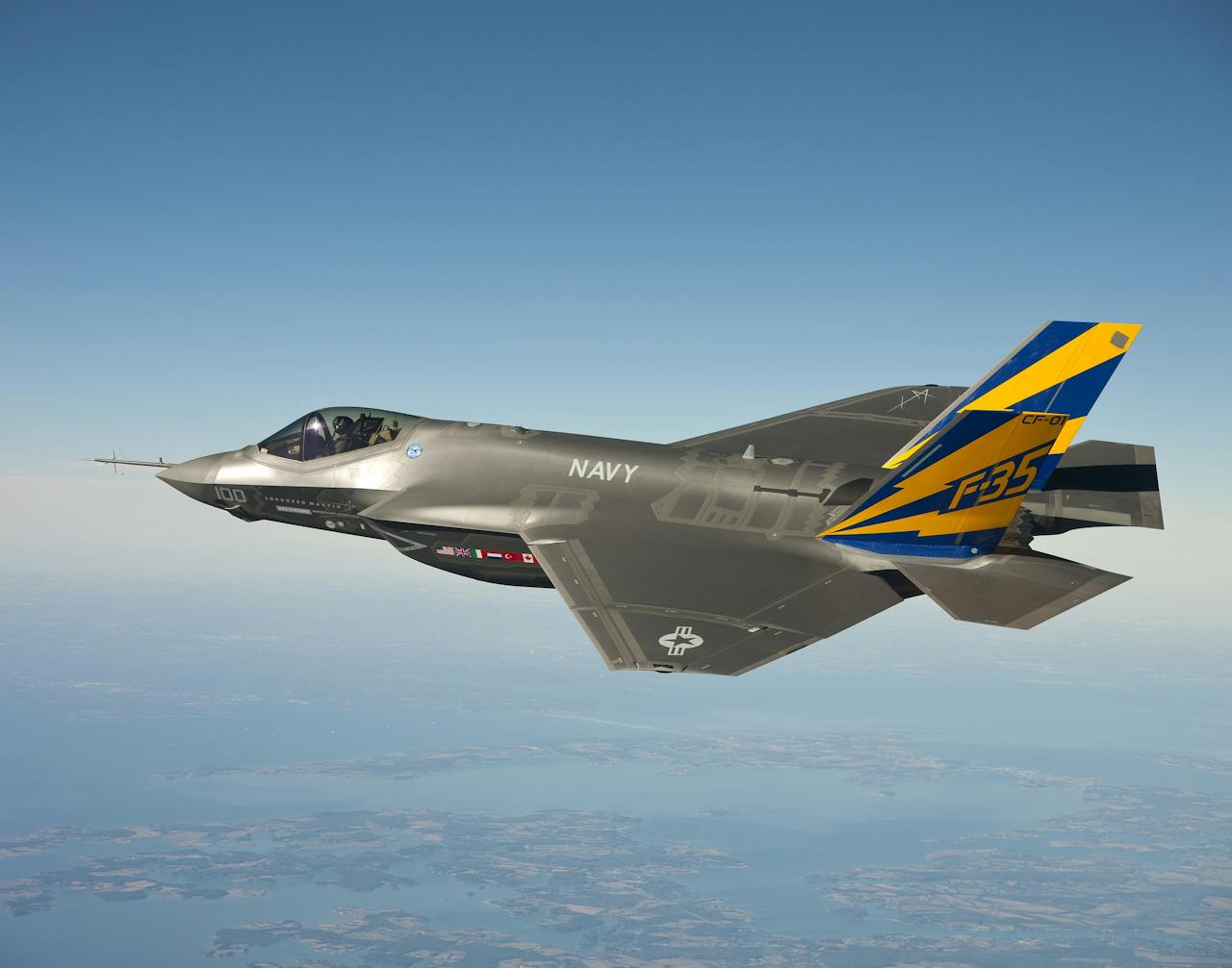
F35 Navy fighter jet 02.24.25

Crisis management in the defense technology sector requires meticulous planning, precise execution, and constant readiness. When a crisis hits, organizations must respond swiftly and effectively to protect their reputation, maintain stakeholder trust, and minimize potential damage. Crisis simulations serve as a critical tool for defense tech companies to prepare for emergencies, test their response capabilities, and identify areas for improvement. Through regular practice and evaluation, teams can build the muscle memory needed to handle real-world crises with confidence and competence.

The Foundation of Crisis Simulation

Crisis simulations in defense tech differ from standard corporate exercises due to the industry’s unique characteristics. These simulations must account for national security implications, classified information handling, and complex stakeholder relationships. According to a 2022 PwC Crisis Survey, 95% of business leaders expect to face a crisis in the future, yet only 49% have a crisis response plan in place.

Defense tech companies face distinct challenges, including:

  • Sensitive intellectual property protection
  • International regulatory compliance
  • Supply chain security
  • Cybersecurity threats
  • Government relations management

Effective crisis simulations address these challenges while preparing teams for various scenarios that could impact operations and reputation.

Designing Realistic Crisis Scenarios

Creating authentic crisis scenarios requires careful consideration of potential threats and vulnerabilities. According to the Defense Industry Initiative on Business Ethics and Conduct, successful simulations incorporate multiple dimensions of crisis response, including technical, operational, and communications aspects.

When designing scenarios, consider:

  1. Historical incidents within the industry
  2. Current geopolitical tensions
  3. Emerging technological risks
  4. Regulatory changes
  5. Supply chain vulnerabilities

Each scenario should include detailed timelines, stakeholder reactions, and media responses. The simulation should progress naturally, introducing new challenges and complications that test the team’s ability to adapt and respond.

Building Your Crisis Response Team

A well-structured crisis response team forms the backbone of effective crisis management. The team should include representatives from:

  • Executive leadership
  • Public relations
  • Legal counsel
  • Technical experts
  • Government relations
  • Human resources
  • Information technology

Each team member needs clearly defined roles and responsibilities. According to research by Deloitte, organizations with designated crisis teams respond 25% faster to emergencies than those without.

Running Crisis Management Drills

Crisis management drills must be structured to maximize learning opportunities while testing response capabilities. The National Defense Industrial Association recommends conducting drills at least quarterly, with varying complexity levels.

Planning the Drill

Start with detailed objectives for each exercise. Document expected outcomes and establish clear evaluation criteria. Create a timeline that includes:

  • Pre-drill briefings
  • Scenario introduction
  • Response phases
  • Debriefing sessions

Execution Phase

During the drill, maintain realism by:

  1. Using actual communication channels
  2. Introducing unexpected developments
  3. Applying time pressure
  4. Simulating media inquiries
  5. Replicating stakeholder responses

Technology Integration

Modern crisis simulations benefit from technology integration. Tools might include:

  • Digital communication platforms
  • Social media simulators
  • News feed generators
  • Response tracking systems

Evaluating Team Readiness

Assessment forms a critical component of crisis simulation programs. Regular evaluation helps identify strengths and weaknesses in your crisis response capabilities.

Performance Metrics

Key performance indicators should measure:

  1. Response time to initial crisis alerts
  2. Quality of communication messages
  3. Decision-making effectiveness
  4. Team coordination
  5. Resource allocation efficiency

Documentation and Analysis

Maintain detailed records of:

  • Action items and decisions
  • Communication flows
  • Resource deployment
  • Timeline adherence
  • Stakeholder engagement

Creating Action Plans for Worst-Case Scenarios

Developing comprehensive action plans requires systematic analysis of potential crisis situations. The Defense Security Service recommends creating detailed response protocols for various threat levels.

Risk Assessment

Begin with a thorough risk assessment that considers:

  1. Probability of occurrence
  2. Potential impact
  3. Detection capabilities
  4. Response requirements
  5. Recovery time objectives

Response Protocol Development

Create specific protocols for:

  • Initial response procedures
  • Communication chains
  • Resource mobilization
  • Stakeholder management
  • Media relations

Recovery Planning

Include detailed recovery plans addressing:

  • Business continuity
  • Reputation management
  • Stakeholder relations
  • Operational restoration
  • Lessons learned integration

Media Relations During Crisis

Media management represents a critical component of crisis response. According to the Public Relations Society of America, the first 24 hours of crisis response often determine public perception outcomes.

Media Response Protocols

Establish clear guidelines for:

  • Spokesperson designation
  • Message approval processes
  • Media inquiry handling
  • Social media management
  • Information verification

Communication Strategy

Develop strategies for:

  1. Initial statements
  2. Regular updates
  3. Stakeholder communications
  4. Social media presence
  5. Internal communications

Stakeholder Management

Effective stakeholder management during crises requires careful planning and execution. Research by McKinsey shows that organizations with strong stakeholder relationships recover faster from crises.

Stakeholder Identification

Map key stakeholders including:

  • Government agencies
  • Military partners
  • Suppliers
  • Employees
  • Investors
  • Local communities

Communication Protocols

Establish protocols for:

  1. Information sharing
  2. Update frequency
  3. Feedback collection
  4. Concern addressing
  5. Relationship maintenance

Technology and Tools in Crisis Simulation

Modern crisis simulations benefit from advanced technology integration. According to Gartner, organizations using specialized crisis management software show 30% improved response times.

Essential Tools

Key technology components include:

  • Crisis management platforms
  • Communication systems
  • Data analytics tools
  • Simulation software
  • Documentation systems

Integration Requirements

Consider:

  1. System compatibility
  2. Security requirements
  3. User training needs
  4. Maintenance requirements
  5. Upgrade paths

Conclusion

Crisis simulation in defense tech PR requires careful planning, regular practice, and continuous improvement. Success depends on creating realistic scenarios, maintaining well-trained teams, and utilizing appropriate technology tools. Organizations must regularly evaluate their crisis response capabilities and update their protocols based on lessons learned.

To implement an effective crisis simulation program:

  1. Assess current capabilities and gaps
  2. Develop comprehensive simulation scenarios
  3. Build and train crisis response teams
  4. Implement regular drill schedules
  5. Evaluate and improve continuously

Remember that crisis preparation is an ongoing process, not a one-time event. Regular updates and refinements to your crisis simulation program will help ensure your organization remains prepared for whatever challenges arise.

Crisis Communications

Reputation Management for Fashion Brands

Your brand's reputation no longer lives solely in glossy magazine spreads or flagship store...

Learn More
Crisis Communications

Manage Parent Reviews and Build Trust for Child Care Brands

A single negative review can cost your child care center thousands in lost enrollment. When...

Learn More
Corporate Communications

Investor Communications in Times of Crisis

When the board call ends and the stock ticker blinks red, the real work begins. Crises don't...

Learn More
Related Crisis Communications