Market saturation doesn’t care about your quarterly targets. When adaptogen sodas, functional beverages, and plant-based alternatives flood every shelf and feed, traditional marketing spend alone won’t save your brand—or your job. The brands that break through in 2026 are the ones that master earned media, build stories worth repeating, and prove PR’s direct impact on revenue. I’ve watched too many talented marketing directors lose budget battles because they couldn’t connect a feature placement to a sales spike, and I’ve seen scrappy teams triple trial rates by treating PR as a precision instrument rather than a megaphone.
Build Campaigns That Earn Coverage, Not Just Pitches
The gap between sending press releases and landing meaningful coverage has never been wider. Journalists receive hundreds of pitches weekly, and most get deleted within seconds because they lack the one element that matters: a human story worth telling. The brands securing features in Food & Wine, BevNET, and trade outlets understand that media relations in 2026 requires emotional resonance paired with contextual relevance.
Start with your founder’s origin story, but don’t stop there. Dig into the growers who supply your ingredients, the production team member who solved a formulation challenge, or the customer whose life changed because of your product. These narratives give journalists the texture they need to craft compelling pieces. When you pitch, anchor these human elements to broader trends—sustainability shifts, regional food identity movements, or supply chain innovations—so editors see how your story fits their coverage priorities.
Traditional media relations still works, but only when you do the research. Use tools like AnswerThePublic and Google Trends to identify the questions your target audience is actually asking, then create content that answers them before you pitch. A kombucha brand might discover searches around “gut health for athletes” are spiking, then develop a story around an ultramarathoner who credits your product for recovery. That specificity makes the pitch irresistible.
Trade PR deserves equal weight to consumer media. While lifestyle outlets drive trial, trade publications like BevNET and Food Business News influence distributor decisions and retail buyers. The relationships you build with trade editors compound over time—they remember brands that provide data-driven insights, exclusive product launches, and expert commentary on industry shifts. When a trade journalist needs a quote on functional beverage trends, you want to be the first call.
Speed matters more than perfection when newsjacking opportunities arise. The restaurant industry saw this play out when viral dining trends hit TikTok—brands that responded within 48 hours with relevant angles secured immediate coverage and reservation spikes. Set up Google Alerts for your category keywords, monitor social listening tools, and maintain a rapid-response protocol so you can pitch timely angles before the news cycle moves on.
Craft Stories That Stick and Convert
Generic brand stories die in inboxes. The difference between “we source sustainable ingredients” and “our coffee comes from Maria Rodriguez’s farm in Huila, Colombia, where she’s the first woman in three generations to own land” is the difference between a deleted email and a feature story. Names, places, and specific processes cut through vague sustainability claims that consumers have learned to ignore.
Provenance storytelling works because it provides proof. When you explain exactly where ingredients come from and why you chose those suppliers, you build credibility that translates to trial. A beverage brand highlighting hyper-regional flavors—like smoky moles from Oaxaca or Mala spice blends from Sichuan—taps into the travel-inspired authenticity that drives consumer cravings. The story isn’t just “exotic flavors”; it’s the chef who spent six months in Chengdu learning traditional fermentation techniques.
Transparency has shifted from nice-to-have to table stakes. Consumers in 2026 detect greenwashing instantly, and they punish brands that make unsubstantiated health claims. Instead of broad statements about wellness benefits, provide nuanced education about your ingredients, sourcing decisions, and production methods. Explain the trade-offs you made and why. This honesty builds the trust that converts curious browsers into loyal customers.
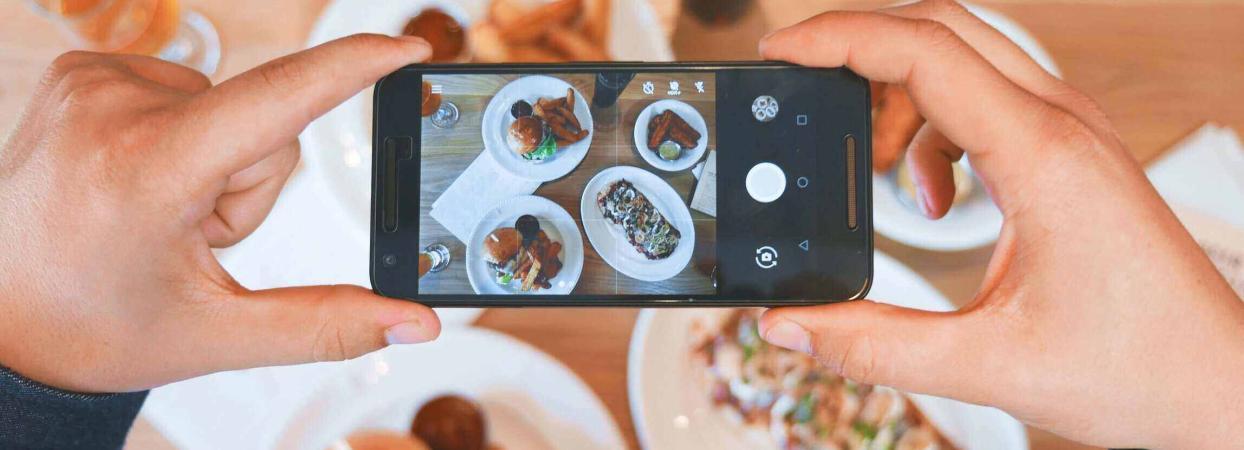
Visual storytelling amplifies every narrative. Food and beverage brands have a built-in advantage here—your product is inherently photogenic. Share behind-the-scenes content from production facilities, recipe development sessions, and team moments. These authentic visuals perform better on social platforms that now function as search engines for younger consumers. When someone searches “best kombucha for gut health” on TikTok, you want user-generated content and brand videos appearing in results.
The most effective brand stories connect product benefits to lifestyle aspirations. Don’t just talk about what your beverage contains; show how it fits into the daily routines of your target customers. A functional drink for busy professionals should feature morning rituals, desk-side moments, and post-workout recovery. These contextual stories help potential customers visualize themselves using your product, which directly impacts trial rates.
Launch Experiences That Generate Momentum
Events and partnerships in 2026 require a different calculus than they did five years ago. The goal isn’t just the event itself—it’s the content, relationships, and ongoing buzz you extract from a single activation. Plan one launch or tasting for weeks of media coverage by building a comprehensive content strategy around it before the first guest arrives.
Partner with micro-influencers and creators whose audiences match your target demographic. A craft beverage brand hosting a tasting dinner should identify 10-15 local food creators with engaged followings between 5,000 and 50,000. These partnerships deliver better ROI than celebrity endorsements because their audiences trust their recommendations and actively seek their opinions on where to eat and what to drink. Request creator media kits to evaluate audience demographics and engagement rates before committing budget.
The most successful activations create sensory experiences that can’t be replicated online. Tastings that educate attendees about flavor profiles, ingredient sourcing, or production methods give people stories to share. When guests understand why your cold brew tastes different or how your fermentation process works, they become brand ambassadors who explain those details to friends. This word-of-mouth compounds far beyond the event itself.
Amplification strategies should be planned before the event, not after. Create event hashtags, brief attendees on social sharing expectations, and capture professional photo and video content throughout. The content you generate becomes the foundation for weeks of social posts, email campaigns, and media pitches. A single product launch dinner can yield 50+ pieces of content when you plan for it.
Co-branded partnerships extend your reach without proportional budget increases. A kombucha brand partnering with a yoga studio for post-class tastings accesses a highly targeted audience at minimal cost. The studio gets added value for members, you get qualified product trials, and both brands benefit from cross-promotion. These partnerships work best when there’s authentic alignment between brand values and customer bases.
Sampling remains one of the highest-converting tactics for food and beverage brands, but distribution strategy matters. Instead of generic grocery store demos, target venues and events where your ideal customers already gather. A functional beverage targeting fitness enthusiasts should sample at CrossFit competitions, running clubs, and wellness festivals. The context reinforces the product positioning and increases trial-to-purchase conversion.
Measure What Matters and Prove ROI
PR measurement has matured beyond vanity metrics. Coverage counts and social mentions matter less than perception shifts, traffic patterns, and revenue attribution. Build a dashboard that tracks media placements by outlet tier, referral traffic from earned media, keyword ranking improvements, and sales lift during and after coverage spikes.
Start by establishing baseline metrics before launching campaigns. What’s your current brand awareness in target markets? What percentage of website traffic comes from organic search versus paid channels? What’s your average customer acquisition cost? These benchmarks let you demonstrate PR’s incremental impact rather than making vague claims about “increased visibility.”
SEO and PR now operate as integrated functions. Every media placement should include backlinks to your website, and your About page should be optimized to answer the questions journalists and consumers ask most frequently. When a journalist researches your brand after receiving a pitch, a well-optimized site increases the likelihood they’ll move forward with coverage. When consumers search for your category, strong SEO ensures your brand appears in results.
Attribution gets complicated with earned media, but it’s not impossible. Use UTM parameters on links you provide to journalists, monitor direct traffic spikes following major placements, and survey new customers about how they discovered your brand. A beverage brand that lands a feature in a major lifestyle publication should see measurable traffic and sales increases within 72 hours. If you don’t, either the outlet doesn’t reach your target audience or your website isn’t converting visitors effectively.
Long-term relationship value often exceeds individual placement value. A journalist who covers your brand once is more likely to include you in future roundups, quote your executives in trend stories, and respond to future pitches. Track these relationship metrics alongside coverage counts—how many journalists have covered you multiple times? How quickly do your priority contacts respond to pitches? These indicators predict sustained media success better than one-off placements.
The brands thriving in saturated markets treat PR as a revenue driver, not a brand-building luxury. They connect every campaign to business outcomes, optimize based on performance data, and shift budgets toward tactics that demonstrably increase trials and sales. When you can walk into a budget meeting and show that a $5,000 influencer partnership generated $50,000 in attributed revenue, PR stops being a discretionary expense and becomes a growth engine.
The path to differentiation in crowded food and beverage markets runs through earned media, authentic storytelling, and measurable impact. Start by auditing your current PR approach against the tactics outlined here. Identify the human stories within your brand that you haven’t told yet, build relationships with three new trade journalists this quarter, and implement attribution tracking for your next campaign. The brands that will still be here in five years are the ones that master these fundamentals now.