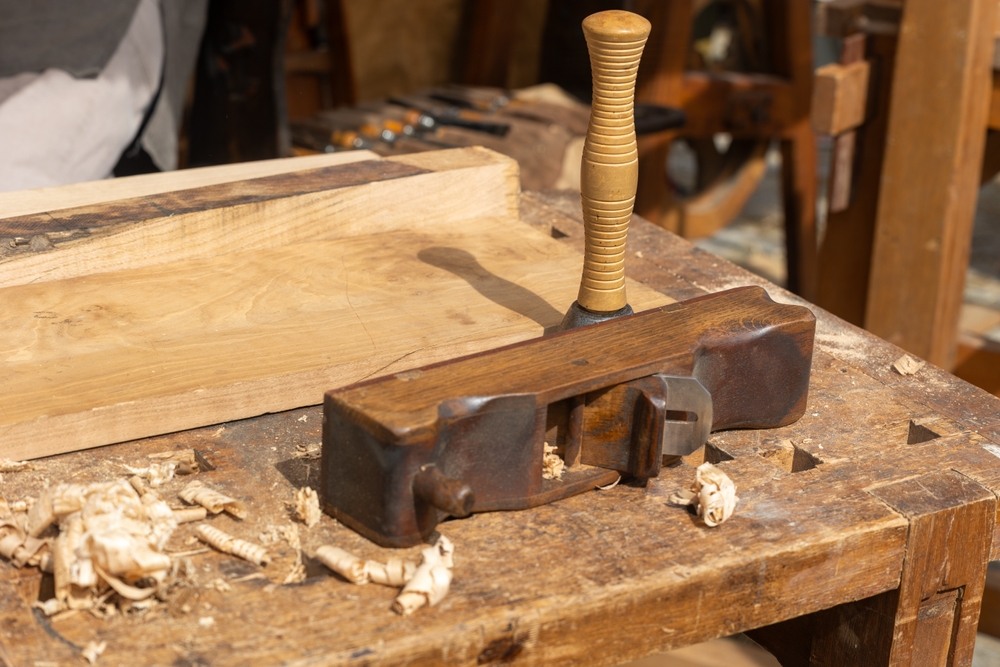
When Elena Vargas left her corporate design job to launch a boutique furnishings firm rooted in her family’s woodworking traditions, she faced the same paralyzing question that haunts most emerging founders: How do I stand out when everyone claims to be authentic? The answer isn’t found in bigger marketing budgets or flashier portfolios. It lives in the one asset established competitors can never replicate—your founder story, told with precision and purpose. For home and design brands fighting for attention in a market saturated with generic promises of quality, the path to premium pricing and loyal clients runs directly through narrative-driven branding that positions craftsmanship as both philosophy and proof.
Build Founder-Led Stories That Command Attention
Your origin story isn’t a timeline of business milestones. It’s a strategic tool that transforms skeptical prospects into believers. The most effective founder narratives focus on the frustration that sparked your vision and the specific moment clarity arrived. Skip the chronological resume; instead, identify the exact pain point you experienced that your ideal client also feels. When you articulate that shared struggle, you create what 88% of consumers now demand: authentic emotional anchors that make your brand feel less like a vendor and more like a kindred spirit.
Start by mapping three core elements in a simple framework. First, document your founder background—not job titles, but the formative experiences that shaped your design philosophy. Did you apprentice under a master craftsperson? Did a poorly designed space impact someone you loved? Second, articulate your unique philosophy in one sentence that a client could repeat at a dinner party. Third, list the top three pain points your clients face that your competitors ignore or oversimplify. This exercise creates the raw material for every piece of content you’ll produce.
Consider how one founder pivoted from generic campaigns to authentic tales, focusing on the aha moment when they realized mass-market solutions failed a specific client need. The result? Higher pipeline quality and improved close rates, because prospects arrived pre-qualified by the story itself. They weren’t shopping on price; they were seeking the specific worldview the founder represented.
The Hero’s Journey framework works, but only when you cast your client as the hero and position yourself as the guide. Your role isn’t to showcase your genius—it’s to demonstrate you understand their transformation. Share behind-the-scenes moments that reveal your process: the 3 a.m. material sourcing calls, the failed prototypes, the moment a design clicked. These candid day-in-the-life glimpses humanize your brand in ways polished case studies never will.
Do this: Record a two-minute video walking through your workshop, explaining why you chose a specific joinery technique and what it means for longevity.
Don’t do this: List technical specifications without context or emotional connection.
Create a founder bio template that includes your origin frustration, your philosophy statement, one vulnerable moment of doubt, and the client transformation you’re committed to enabling. Use this template across your website about page, pitch decks, and social profiles. The consistency builds recognition; the vulnerability builds trust.
Craft Messaging That Makes Craftsmanship Tangible
Craftsmanship is an overused word that has lost meaning through vague repetition. Your job is to make it concrete, specific, and tied to client outcomes. This requires transparency about three elements: materials sourcing, process details, and quality proofs that clients can verify.
When you say “handcrafted,” specify what that means. “Handcrafted oak from local mills within 50 miles, air-dried for 18 months to prevent warping” tells a story. “High-quality wood” tells nothing. The difference isn’t just descriptive—it’s strategic. Affluent clients who value authenticity are trained to spot generic language. They’ve been burned by brands that promised artisanal quality and delivered mass-produced mediocrity. Your specificity becomes your credibility.
Founders who leverage day-one customer insights for messaging consistently outperform those who rely on market research alone. You know the questions clients ask during consultations, the objections they raise, the features they obsess over. Mine those conversations for language. If three clients in a row ask about sustainability certifications, that’s not a niche concern—it’s a messaging pillar.
Build a messaging hierarchy that moves from philosophy to process to proof. Start with your why: “We believe homes should tell stories that outlast trends.” Move to your how: “Every piece begins with reclaimed materials we personally source from historic buildings.” End with your proof: “Our joinery techniques have been tested to withstand 50 years of daily use.” This structure works across every touchpoint—website copy, social posts, client proposals.
Do this: Include a “materials passport” with each project, documenting the origin and journey of key components.
Don’t do this: Use phrases like “premium materials” or “superior quality” without supporting evidence.
Pair your craftsmanship narrative with vulnerability about challenges. Sharing struggles builds trust, with 76% of consumers choosing brands they feel connected to. When you explain how you spent six months perfecting a finish technique or how a supplier relationship fell through and you had to pivot, you’re not admitting weakness—you’re demonstrating commitment. The clients you want don’t expect perfection; they expect dedication to getting it right.
Create a process timeline that shows the hours, iterations, and decisions behind a typical project. Present this visually on your website and in proposals. When clients see that your 12-week timeline includes three rounds of mockups and two site visits for material testing, they understand why your pricing reflects true custom work rather than assembly-line production.
Position Your Brand for Credibility Before You Scale
Scaling too early with an undefined brand voice is the fastest way to dilute what made you special. Before you hire your fifth employee or open a second location, audit your brand for consistency, audience alignment, and niche validation. This isn’t about perfection—it’s about coherence.
Run a consistency audit across every client touchpoint. Does your Instagram aesthetic match your website? Do your proposals use the same language as your pitch meetings? Are your team members telling the same origin story, or has it mutated through retellings? Create story design checklists and conduct founder-led alignment sessions to clone your conviction across your team. When everyone can articulate your philosophy and process in their own words but with consistent themes, you’re ready to grow.
Build communities by revealing brand decisions and values before you need to sell. Start a monthly email where you share what you’re learning, materials you’re testing, or design trends you’re questioning. Invite feedback. When you launch a new service line or product, your community feels like collaborators rather than targets. This approach works particularly well for founders with tight budgets who need to establish trust before investing in paid acquisition.
Measure pre-scale readiness through relationship depth, not just revenue. Are clients referring friends unprompted? Are they willing to wait for your availability rather than hire a competitor? Do they engage with your content beyond liking posts? These qualitative signals matter more than follower counts. Position founders upfront to foster loyalty that creates relationship moats—the kind of client bonds that outlast any competitor’s campaign.
Target underserved segments with surgical precision. If you’re in Austin and notice a gap in sustainable design for historic home renovations, own that niche. Speak directly to homeowners wrestling with preservation requirements and modern sustainability standards. Your messaging should make someone outside that niche think, “This isn’t for me,” while making your ideal client think, “This is exactly for me.” That clarity is what allows you to command premium pricing.
Track specific metrics that indicate brand strength: repeat client rate, referral percentage, average project value, and time from first contact to signed contract. Brands with consistent storytelling see revenue lifts of 23% compared to those with fragmented messaging. If your close rate improves after implementing founder-led content, you’re building credibility correctly.
Design Visuals That Amplify Your Narrative
Your visual identity should be an extension of your story, not a separate exercise. Every color choice, typography decision, and photography style either reinforces or contradicts your narrative. Treat visual design as storytelling through a different medium.
Start with a visual identity blueprint that ties directly to your founder story. If your background includes family craftsmanship, your palette might draw from natural materials—the warm grays of weathered wood, the deep browns of aged leather, the cream of raw linen. If your philosophy centers on blending traditional techniques with modern sustainability, your visuals might pair organic textures with clean, minimal layouts. The key is intentionality. Every visual choice should have a narrative justification.
Develop templates and guardrails for consistent logos and palettes across channels, but leave room for authentic moments. Your Instagram grid doesn’t need to look like a museum exhibition. Mix polished project photography with real behind-the-scenes visuals—your hands sanding a piece, a messy workbench mid-project, a client meeting in progress. These unfiltered glimpses build emotional resonance that styled shots alone cannot achieve.
Create a content asset library organized by narrative theme. For “craftsmanship,” collect process videos, material close-ups, and technique demonstrations. For “founder story,” gather personal photos, workshop shots, and family heritage images. For “client transformation,” document before-and-after sequences with client testimonials. When you need to create a social post or update your website, you’re pulling from a curated collection that stays on-brand rather than scrambling for generic stock images.
Do this: Commission a photographer to spend a full day documenting your actual work process, capturing authentic moments of concentration, problem-solving, and creation.
Don’t do this: Rely on stock imagery of generic workshops or staged “craftsperson” photos that don’t show your actual team or space.
Pair vivid anecdotes with visuals like process videos that show emotional milestones, not just technical steps. Instead of a time-lapse of a table being built, show the moment you discovered the perfect grain pattern in a piece of reclaimed wood, explaining why that discovery mattered for the client’s vision. The technical skill is assumed; the curatorial eye and emotional intelligence are what justify premium pricing.
Plan your visual rollout in phases that match your growth. Start with a strong website and Instagram presence. As you scale, add video content, then potentially a podcast or YouTube series. Each new channel should deepen the story rather than repeat it. Your Instagram might show daily process moments; your YouTube channel could feature long-form conversations about design philosophy; your podcast might interview clients about their transformation experiences.
Moving from Story to Strategy
The brands that command premium pricing and build waitlists aren’t those with the biggest marketing budgets. They’re the ones that turned their founder’s authentic story into a strategic asset, made craftsmanship tangible through specific language and transparent process, and built credibility through consistency before attempting to scale. Your personal narrative is the only marketing tool your competitors cannot copy or outspend.
Start by documenting your origin story using the frameworks outlined here. Audit your current messaging for vague craftsmanship claims and replace them with specific, verifiable details. Before you hire your next team member or pursue your next growth opportunity, ensure your brand voice is coherent across every touchpoint. Design visuals that amplify rather than distract from your narrative. The clients who will pay $150K+ for your work aren’t shopping for furniture or design services—they’re investing in a worldview, a philosophy, and a relationship with a founder whose story resonates with their own values. Make that story impossible to ignore, difficult to forget, and easy to retell.