Parents and educators increasingly seek toys that do more than entertain—they want products that support child development and learning. For educational toy brands competing in this growing market, traditional advertising alone rarely builds the trust and credibility needed to stand out. Public relations offers a powerful alternative by positioning your products as valuable learning tools through strategic storytelling, authentic partnerships, and social proof. This guide provides actionable PR strategies specifically designed for educational toy companies looking to reach parents, educators, and media outlets while demonstrating genuine educational value.
Communicating Developmental Benefits in Parent-Friendly Language
The foundation of any successful educational toy PR campaign starts with clearly articulating how your products support child development. Parents care about cognitive growth, social skills, emotional intelligence, and motor development, but they don’t want to decode academic jargon to understand your product’s value. Your PR materials should translate educational concepts into relatable benefits that resonate with everyday parenting concerns.
Start by identifying the specific developmental areas your toys address. Create a simple framework that maps your products to recognizable skills: problem-solving abilities, creativity, hand-eye coordination, teamwork, or early literacy. When crafting press releases or media kits, lead with concrete examples rather than abstract claims. Instead of stating “promotes cognitive development,” explain “helps children ages 4-6 learn pattern recognition through hands-on building challenges that prepare them for early math concepts.”
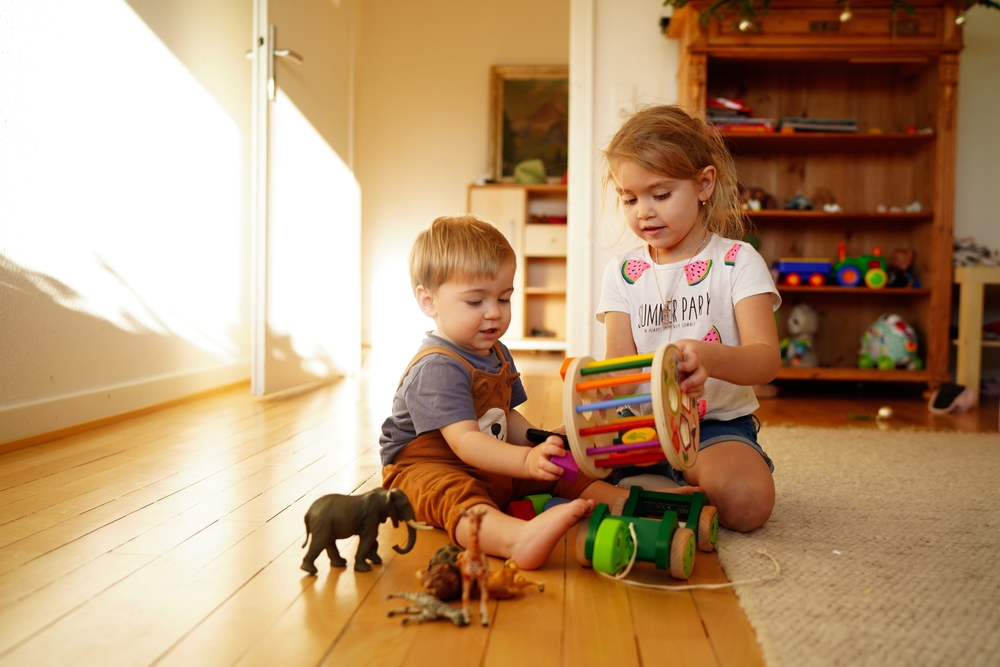
Video content and blog posts work exceptionally well for demonstrating these benefits in action. Show real children engaging with your toys while naturally developing skills. A 60-second video of kids collaborating to solve a puzzle communicates social-emotional learning far more effectively than a bulleted list of features. These visual assets become valuable tools for media pitches and social media campaigns, giving journalists and influencers ready-made content that tells your story.
Consider developing educational content that positions your brand as a thought leader. Create downloadable guides for parents explaining developmental milestones and how specific types of play support each stage. When you provide genuine value beyond product promotion, media outlets and parenting blogs become more receptive to featuring your brand. This approach mirrors LEGO’s strategy of offering lesson plans and educational resources for teachers, which strengthened their credibility as an educational brand while creating shareable PR assets.
Building Credible Partnerships with Schools and Educators
Educator partnerships represent one of the most powerful PR strategies for educational toy brands because they provide third-party validation from trusted authorities. Teachers and early childhood educators carry significant influence with parents, and their endorsement can transform your brand’s reputation from “just another toy company” to a recognized educational resource.
Begin your outreach by researching schools, daycares, and educational organizations that align with your product’s learning objectives. Craft personalized emails that demonstrate you understand their specific challenges and curriculum goals. Avoid generic sales pitches; instead, propose collaborative opportunities that genuinely benefit their students. Offer to provide sample products for classroom testing, create custom activity guides that align with learning standards, or sponsor educational workshops that showcase your toys in action.
Professional development opportunities for teachers can open doors to long-term partnerships. Consider hosting training sessions that teach educators how to incorporate your products into lesson plans, or create downloadable classroom resources that make implementation easy. These initiatives generate positive PR through multiple channels: teachers share their experiences on social media, schools mention partnerships in newsletters, and educational publications cover innovative classroom programs.
Student competitions and challenges create engaging PR opportunities while demonstrating your products’ educational applications. Organize school-wide building contests, problem-solving challenges, or creative showcases that feature your toys. Document these events with photos and videos, then distribute press releases to local media highlighting student achievements and learning outcomes. This approach generates community interest while providing authentic content that showcases developmental benefits in real educational settings.
Joint events with schools also create media-worthy moments. Partner with a local elementary school to launch a STEM day featuring your products, invite local news outlets to cover the event, and share student testimonials about what they learned. These partnerships extend beyond one-time promotions—they build ongoing relationships that yield continuous PR opportunities throughout the school year.
Leveraging Testimonials and User-Generated Content
Authentic testimonials from parents and educators provide the social proof that makes PR campaigns credible and persuasive. Rather than relying solely on company messaging, user-generated content shows real families experiencing genuine benefits from your products. This authenticity builds trust far more effectively than traditional advertising claims.
Create systematic approaches for collecting testimonials. After purchase, send follow-up emails asking customers to share their experiences, making the process simple with direct links to review platforms or feedback forms. Offer incentives like contest entries or discount codes for customers who submit photos or videos of their children playing with your toys. Launch branded hashtag campaigns on social media that encourage parents to share their stories—similar to how Elf on the Shelf and Squishmallows built viral communities through user participation.
When repurposing testimonials for PR, select stories that highlight specific developmental outcomes. A parent describing how their shy child gained confidence through collaborative play with your product makes a compelling case study for a media pitch. Transform these stories into various PR assets: quote them in press releases, feature them in blog posts, create video testimonials for your website, and share them across social media platforms.
Pay careful attention to legal and ethical considerations when using content featuring children. Always obtain explicit parental consent before using photos, videos, or stories in your PR materials. Create clear permission forms that specify how and where content will be used, and respect parents’ wishes regarding their children’s privacy. This responsible approach protects both families and your brand’s reputation.
Organize the testimonials you collect by content type and application. Written reviews work well in press releases and blog posts, while photos excel on Instagram and Pinterest. Video testimonials carry the most emotional impact and work across multiple platforms, from YouTube to media pitches to trade show presentations. Maintain a database of approved content organized by developmental benefit, age group, and media format so you can quickly access relevant testimonials for specific PR opportunities.
Selecting the Right PR Channels and Platforms
Different PR channels reach distinct audiences with varying levels of engagement and cost-effectiveness. Educational toy brands need a multi-channel approach that reaches both parents making purchase decisions and educators influencing those choices.
Social media platforms offer direct access to parent communities with high engagement potential. Instagram works exceptionally well for visually showcasing toys in action, while YouTube allows for longer-form content demonstrating educational benefits through unboxing videos and play tutorials. TikTok has emerged as a powerful platform for viral toy marketing, particularly for reaching younger parents through authentic, entertaining content. Create platform-specific content rather than simply reposting the same material everywhere—Instagram Stories might feature quick play tips, while YouTube videos provide detailed demonstrations of learning activities.
Parenting blogs and educational websites provide targeted reach to your core audience. Research influential parenting bloggers and educational content creators who align with your brand values. Pitch them story ideas that provide value to their readers rather than simple product promotions. Offer to contribute guest posts about child development topics related to your products, or propose product reviews that focus on educational outcomes rather than features.
Traditional media still matters, particularly local news outlets looking for community interest stories. Local newspapers and television stations often cover educational initiatives, school partnerships, and child development topics. Time your pitches around relevant news cycles: back-to-school season, holiday gift guides, or educational awareness months. Position your products within broader stories about learning trends, screen-time alternatives, or educational equity.
Educational publications and conferences provide direct access to teacher and administrator audiences. Submit articles to teaching magazines, sponsor educational conferences, or present workshops at professional development events. These channels build credibility within the education community while generating PR opportunities that reach parents through trusted educational sources.
Email marketing remains a cost-effective channel for targeted outreach. Build segmented lists of parents, educators, and media contacts, then create tailored campaigns for each audience. Share educational content, new product launches, and partnership opportunities through regular newsletters that provide value beyond promotional messages.
Measuring PR Campaign Success and Refining Your Approach
Tracking the right metrics allows you to understand which PR strategies deliver results and where to focus future resources. Educational toy brands should monitor both traditional PR metrics and business outcomes that demonstrate real impact.
Media mentions represent the most direct PR measurement. Track how many times your brand appears in news articles, blog posts, podcasts, and social media content. Use media monitoring tools to capture mentions across platforms, and categorize them by outlet type, audience reach, and message alignment. Quality matters more than quantity—a feature in a respected parenting publication carries more weight than dozens of minor blog mentions.
Social media engagement metrics reveal how your PR content resonates with audiences. Monitor likes, shares, comments, and branded hashtag usage to gauge interest and sentiment. Pay particular attention to which types of content generate the most engagement—developmental benefit demonstrations, educator testimonials, or user-generated content—then create more of what works.
Website traffic provides insight into how PR drives interest in your products. Use analytics tools to track referral sources from media coverage, blog features, and social media campaigns. Monitor which pages visitors view after arriving from PR sources and how long they stay, indicating genuine interest versus casual browsing.
Sales lift represents the ultimate measure of PR effectiveness. Track purchase patterns around major PR campaigns, media features, and partnership launches. Some brands use incrementality testing to isolate PR’s specific contribution to sales growth, separating it from other marketing activities. While attribution can be complex, clear sales increases following significant PR initiatives demonstrate tangible business impact.
Educator feedback offers qualitative insights into your PR effectiveness within the education community. Survey teachers who participate in partnership programs about their experiences and willingness to recommend your products. Track how many educators request information, samples, or classroom resources following PR outreach.
Create simple tracking templates that compile these metrics monthly or quarterly. Compare results across different PR tactics to identify your highest-performing strategies. If educator partnerships consistently generate more qualified leads than general media outreach, allocate more resources to school collaborations. If video testimonials drive more engagement than written case studies, prioritize video content creation.
Conclusion
Promoting educational toys through PR requires a strategic approach that goes beyond traditional advertising to build genuine trust and credibility. By clearly communicating developmental benefits in parent-friendly language, you help families understand the real value your products provide. Partnerships with educators add authoritative endorsement while creating ongoing PR opportunities through classroom programs and joint events. Authentic testimonials and user-generated content provide the social proof that transforms interest into purchases.
Success depends on selecting the right mix of PR channels for your target audiences—from social media platforms reaching parents directly to educational publications influencing teacher recommendations. Measuring your results across media mentions, engagement metrics, website traffic, and sales lift allows you to refine your approach and focus resources on tactics that deliver real business outcomes.
Start by auditing your current PR materials to confirm they clearly articulate developmental benefits without educational jargon. Then identify three potential educator partners you can approach with specific collaboration proposals. Finally, implement a systematic process for collecting and organizing customer testimonials that can be repurposed across your PR campaigns. These foundational steps will position your educational toy brand to compete effectively through strategic public relations that builds lasting credibility with parents and educators alike.