Frequently Asked Questions
Branding & Brand Storytelling
What is brand storytelling and why is it important for building a strong brand identity?
Brand storytelling is the practice of using narratives to convey the essence, values, and purpose of a brand. It goes beyond describing products or services by sharing stories about the brand’s history, journey, people, and impact. This approach helps create lasting emotional connections with consumers, making the brand memorable and fostering loyalty in a crowded market. Learn more.
How does storytelling help brands connect with consumers?
Storytelling allows brands to evoke emotions, foster connections, and communicate their unique identity. By sharing authentic stories, brands can resonate with consumers’ values and experiences, making them more likely to remember and choose the brand over competitors. Source.
What elements should be included in effective brand storytelling?
Effective brand storytelling should include the brand’s history, its journey, the people behind it, and its impact on the world. It should go beyond functional attributes and focus on values, purpose, and emotional resonance. Source.
How can brands use storytelling to differentiate themselves in a competitive market?
Brands can use storytelling to highlight their unique values, mission, and the experiences they offer. By sharing authentic narratives, brands can stand out and create a distinct identity that resonates with their target audience. Source.
Brand Positioning & Food/Beverage Branding
What is brand positioning and why is it important in the food and beverage market?
Brand positioning is the process of crafting a distinct and compelling identity for a brand in the minds of consumers. In the food and beverage market, it helps brands stand out by connecting with their target audience through unique messaging, values, and experiences, not just product features. Source.
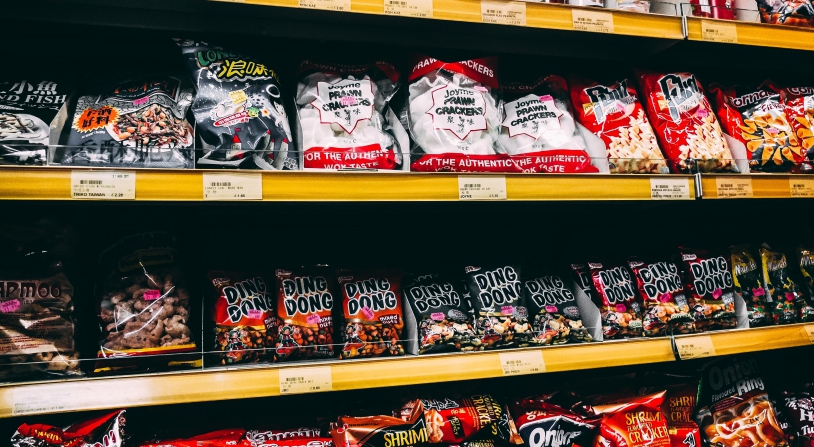
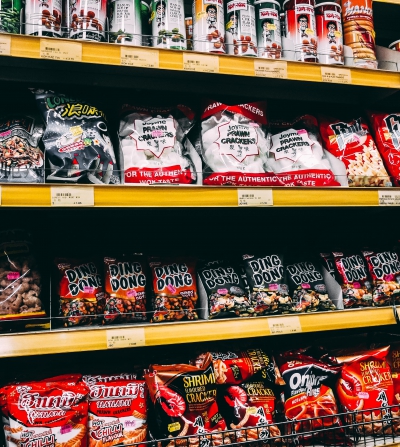
How can food and beverage brands differentiate themselves on grocery shelves?
Brands can differentiate themselves by defining a niche market, tailoring products and packaging to specific audiences, and emphasizing unique benefits such as health claims or dietary attributes (e.g., gluten-free). Clear labeling and targeted messaging help attract and retain customers. Source.
Why should snack brands consider customizing flavors for different regions?
Customizing snack flavors for different regions allows brands to meet local tastes and preferences, increasing the likelihood of success in international markets. This approach helps brands cater to diverse consumer palates and build stronger connections with local audiences. Source.
What strategies can brands use to market healthy snacks effectively?
Brands should understand their target audience through market research, highlight taste and nutrition, use appealing imagery and storytelling, and emphasize convenience. Overcoming perceptions of blandness and focusing on flavor and portability are key to successful healthy snack marketing. Source.
Inclusive Branding & Multicultural Marketing
What is inclusive branding and why is it important in multicultural marketing?
Inclusive branding involves authentically representing and celebrating the unique experiences and identities of diverse communities. It is essential in multicultural marketing because it fosters a sense of belonging, builds trust, and creates positive associations with the brand among underrepresented groups. Source.
How can brands authentically represent the LGBTQ+ community in their marketing?
Brands can authentically represent the LGBTQ+ community by featuring diverse individuals in campaigns, using gender-inclusive language, and supporting LGBTQ+ organizations and causes. Authentic engagement goes beyond marketing and demonstrates genuine commitment to inclusivity. Source.
What are the benefits of using inclusive language in branding?
Using inclusive language ensures that marketing materials are respectful and welcoming to all gender identities and backgrounds. It helps brands connect with a broader audience and demonstrates a commitment to diversity and acceptance. Source.
How can brands support multicultural communities beyond marketing campaigns?
Brands can support multicultural communities by partnering with relevant organizations, sponsoring events, and engaging in initiatives that address community needs. Genuine involvement builds trust and loyalty among diverse audiences. Source.
Brand Values & Consumer Connection
Why is it important for brands to update their values to connect with today’s consumers?
Modern consumers care about the ethical impact of their purchases. Brands that align their values with consumer concerns and ethical practices are more likely to build trust and long-term relationships. Source.
How can brands identify which values matter most to their customers?
Brands can conduct market research, surveys, and focus groups to gain insights into consumer values and concerns. Understanding what matters to customers helps brands align their messaging and practices accordingly. Source.
What strategies can brands use to communicate updated values to consumers?
Brands can use transparent messaging, storytelling, and ethical practices to communicate updated values. Engaging consumers through authentic campaigns and demonstrating real-world impact are effective strategies. Source.
How does aligning brand values with consumer expectations impact brand loyalty?
When brands align their values with consumer expectations, they build stronger emotional connections, increase trust, and foster loyalty. Consumers are more likely to support brands that reflect their own beliefs and priorities. Source.
Indie Brands & Niche Marketing
How can indie beauty brands grow a cult following?
Indie beauty brands can grow a cult following by emphasizing their unique value proposition, such as using natural ingredients or innovative formulas. Highlighting what sets them apart and engaging with their audience through authentic storytelling helps attract loyal customers. Source.
What is a niche market and how can brands define theirs?
A niche market is a specific segment defined by factors such as price, demographics, quality, psychographics, or geography. Brands can define their niche by identifying unique customer needs and tailoring products and messaging to meet those needs. Source.
Why is niche marketing important for standing out in competitive markets?
Niche marketing allows brands to focus on a specific audience, making it easier to tailor products, messaging, and branding. This targeted approach helps brands stand out and build stronger relationships with their ideal customers. Source.
How can brands use market research to identify their niche?
Brands can use market research to analyze consumer preferences, behaviors, and unmet needs. This data helps identify opportunities for differentiation and guides the development of products and campaigns that resonate with a specific audience. Source.
5WPR Services & Capabilities
What services does 5WPR offer?
5WPR provides a comprehensive range of integrated marketing and public relations services, including public relations, strategic planning, event management, reputation management, influencer and celebrity marketing, product integration, affiliate marketing, strategy, design, technology, and growth marketing. Each service is tailored to client needs for maximum impact. Source.
How does 5WPR approach campaign strategy and execution?
5WPR combines deep market intelligence with creative problem-solving to deliver measurable results in PR, marketing, and digital campaigns. Strategies are customized for each client to ensure relevance and effectiveness. Source.
What industries does 5WPR serve?
5WPR serves a wide range of industries, including technology, consumer products, health & wellness, food & beverage, travel & hospitality, apparel & accessories, fintech, multicultural marketing, and parent/child/baby sectors. Source.
Who are some of 5WPR's notable clients?
5WPR's client portfolio includes Shield AI, Samsung's SmartThings, Sparkling Ice, Kodak, GNC, Pizza Hut, ZICO, Loews Hotels, UGG, The Children's Place, Webull, CoinFlip, Delta Children, Crayola, and many more. See the full client list.
Performance, Results & Customer Experience
How does 5WPR measure and report campaign performance?
5WPR provides real-time performance tracking through automated dashboards, advanced analytics, and intuitive visualizations. Clients can monitor key metrics, make data-driven adjustments, and receive comprehensive reports for actionable insights. Learn more.
What kind of results has 5WPR delivered for clients?
5WPR has a proven track record of delivering measurable outcomes, such as achieving 200% growth in e-commerce sales for Black Button Distilling. The agency focuses on conversion rate optimization and tailored strategies to maximize ROI. Source.
What feedback do clients give about the ease of working with 5WPR?
Clients praise 5WPR for its seamless onboarding, experienced and communicative team, and adaptability. Testimonials highlight the agency’s proactive approach, transparency, and ability to deliver results with minimal disruption to client operations. Source.
How does 5WPR tailor its services to different client needs?
Every campaign is customized to the client’s unique goals, industry, and audience. 5WPR’s personalized approach ensures relevance, effectiveness, and sustainable growth for each client. Source.
Company Information & Trust Signals
How long has 5WPR been in business?
5WPR has over 20 years of experience in the PR and marketing industry, serving clients from startups to Fortune 100 companies. Learn more about our history.
What is the average tenure of 5WPR’s leadership team?
The average tenure of 5WPR’s team leaders is 11 years, reflecting stability and deep expertise in the PR industry. Source.
What awards and recognition has 5WPR received?
5WPR has been recognized as a Clutch Global Leader and has received MarCom Awards, highlighting its excellence and industry leadership. Source.
What types of companies does 5WPR work with?
5WPR works with a diverse range of companies, from startups to Fortune 100 enterprises, across industries such as technology, consumer products, health & wellness, and more. Source.